
Navigating the Chokepoints: Global Defense Leaders Confront Growing Maritime Disorder in Singapore
The third major plenary session of the 2026 Shangri-La Dialogue convened in Singapore with defense chiefs from Australia, France, Qatar, and across the Indo-Pacific warning that escalating naval friction and gray-zone tactics threaten to paralyze vital international trade routes.


The premier defense summit of the Asia-Pacific region has taken an anxious turn toward the high seas. As the 2026 Shangri-La Dialogue officially opened its third major plenary session in Singapore, the traditional focus on standard border diplomacy was entirely overshadowed by an intensifying maritime landscape.
Gathering under the urgent banner of "Asia’s Maritime Security Disorder," an influential assembly of international defense ministers, naval commanders, and strategic analysts met to map out solutions for the compounding friction taking place across the world's most critical oceanic corridors. The consensus inside the room was stark: the line between peaceful commerce and open naval gridlock is thinning faster than ever before.
A Coalition of Shared Concerns
The morning session brought together a geographically diverse panel of defense chiefs, signaling that the stability of Asian waters is no longer viewed as a purely localized concern. Ministers from Australia, France, and Qatar took the stage to articulate how distant geopolitical flare-ups are directly echoing through the maritime chokepoints that fuel global markets.
The leadership highlighted several overlapping flashpoints that require immediate systemic stabilization:
-
The Gray-Zone Escalation: Australia’s delegation raised intense concerns regarding the normalization of aggressive non-military vessels, such as state-backed maritime militias, used to harass civilian fishing fleets and law enforcement without triggering an overt military retaliation.
-
European Security Interconnectivity: France’s Minister of the Armed Forces emphasized that European economic security is fully bound to the freedom of navigation in the Indo-Pacific, promising sustained European naval patrols to enforce international maritime law.
-
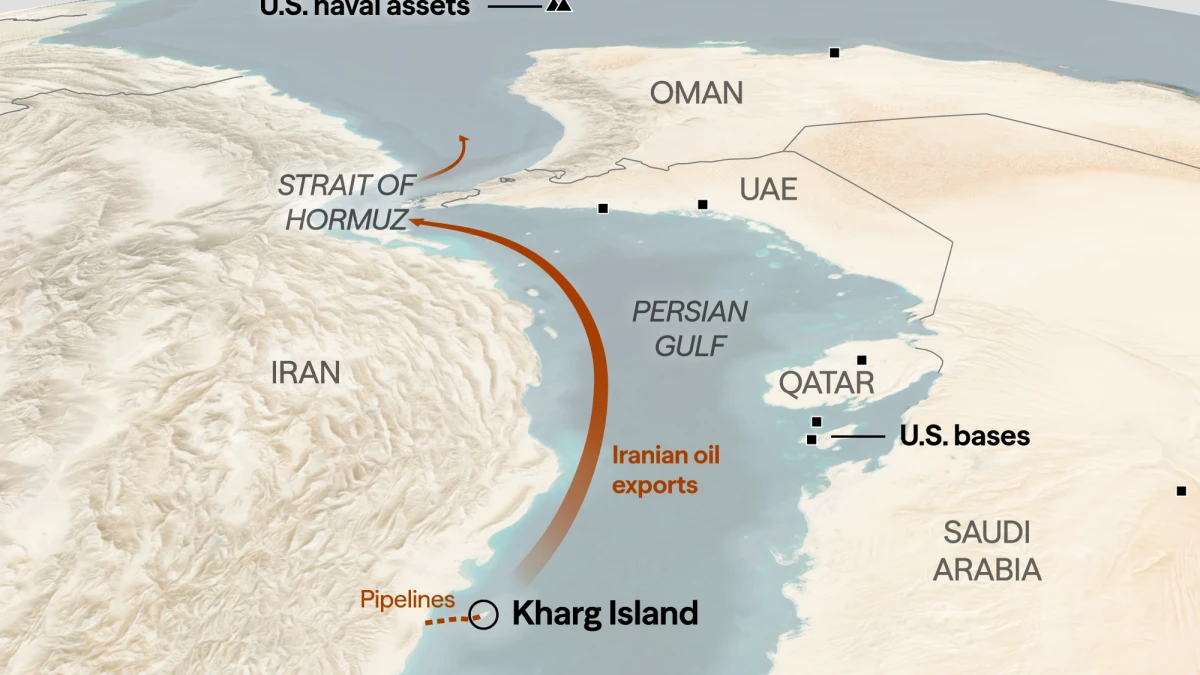
Middle Eastern Trade Vectors: Representing a vital node in global energy transit, Qatar’s defense leadership warned that maritime security is fundamentally indivisible. Operational disruptions in the South China Sea instantly create supply chain delays that ripple back into the Gulf, driving up transport premiums and insurance costs for all nations.
Deconstructing the Naval Gridlocks
Beyond the immediate political friction, the Shangri-La debates focused heavily on the practical, mechanical operational challenges faced by modern navies. The concept of "maritime disorder" is manifesting in highly physical ways, primarily through congested shipping lanes, overlapping territorial declarations, and an absolute breakdown in military-to-military crisis communication channels.
The primary structural challenges currently creating naval gridlocks include:
-
Proliferation of Anti-Access Areas: The rapid deployment of land-based anti-ship missile batteries and drone swarms along critical straits, which effectively limits the safe transit options for international fleets.
-
Fragmented Legal Interpretations: Rising disagreements over the boundaries of Exclusive Economic Zones (EEZs), with certain regional powers attempting to restrict foreign military surveillance and passage in international waters.
-
The Communication Deficit: A worrying lack of hotlines between competing regional coast guards, increasing the probability that a minor collision between maritime law enforcement vessels could quickly spiral into a major international incident.
The Search for a Multilateral Anchor
As the plenary drew to a close, the host nation of Singapore urged all attending delegations to move beyond rhetorical posturing and focus on building practical, binding incident-management protocols. The message from the summit was unmistakable: in an era defined by hyper-connected trade networks, a localized naval miscalculation anywhere in Asia will instantly penalize economies everywhere.
With multiple fleets operating in closer proximity than at any point in recent history, the challenge moving out of the Shangri-La Dialogue is whether global powers can establish a modernized code of conduct on the water, or if the current drift toward maritime disorder will ultimately reshape the freedom of the seas into an archaic concept.
What's Your Reaction?
 Like
0
Like
0
 Dislike
0
Dislike
0
 Love
0
Love
0
 Funny
0
Funny
0
 Wow
0
Wow
0
 Sad
0
Sad
0
 Angry
0
Angry
0







Comments (0)