
A New Era Begins: Historic Expanded FIFA World Cup 2026 Kicks Off Across North America
The global sporting landscape shifts to North America as the 23rd edition of the FIFA World Cup officially gets underway today, June 11, 2026. Spanning 16 iconic host cities across the United States, Canada, and Mexico, this monumental tournament introduces an unprecedented 48-team format, promising 39 days of world-class football.

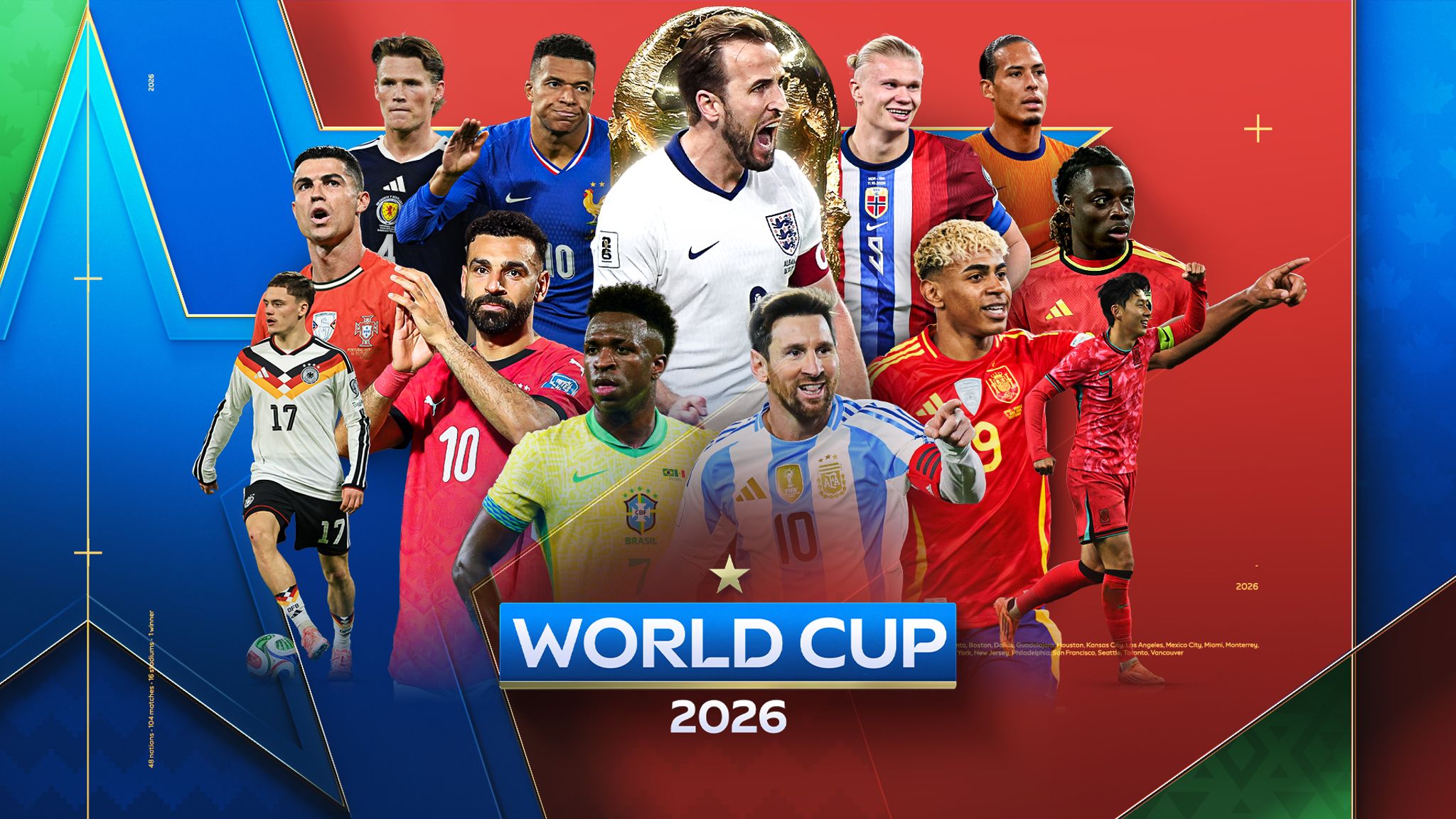
The long-awaited moment has arrived for football fans across the globe. Today, June 11, 2026, the 23rd edition of the FIFA World Cup officially commenced, transforming North America into the absolute epicenter of the sporting universe. In a true testament to the unifying power of the beautiful game, three massive nations—the United States, Canada, and Mexico—have joined forces to orchestrate the largest, most ambitious tournament in football history.
The curtain-raiser took place at the legendary Mexico City Stadium, historically and famously celebrated as the Estadio Azteca. Brimming with a capacity crowd of over 80,000 passionate spectators, the iconic venue set the stage for an emotional opening ceremony celebrating local cultural heritage, shifting immediately into the opening Group A match between co-hosts Mexico and South Africa.
A Sizable Field of 48 Nations
The 2026 iteration marks a massive structural departure from previous tournament models. Abandoning the traditional 32-team setup that has been in place since 1998, FIFA has opened the floodgates by expanding the grid to accommodate 48 competing countries. This inclusive configuration has expanded the total match count from 64 to a whopping 104 matches, creating an action-packed 39-day summer marathon for players and viewers alike.
The revamped tournament format utilizes a clever grouping mechanism to narrow down the expanded field:
-
Twelve Groups of Four: The 48 qualified nations have been partitioned into 12 distinct groups of four teams each.
-
A Broadened Knockout Path: The top two finishers from each group will advance directly into the knockout phase. To fill out a brand-new Round of 32 bracket, they will be joined by the eight best third-placed teams from across the board.
-
The Ultimate Gauntlet: Teams successfully navigating their way into the final four will now be required to play a grueling eight matches over the course of the competition, up from the seven games required under the old architecture.
History Repeats on the Pitch
The opening fixture between Mexico and South Africa carries a distinct, nostalgic weight. Exactly 16 years ago to the very day, on June 11, 2010, these identical two teams battled in the opening match of the 2010 World Cup in Johannesburg. That memorable clash, which famously ended in a 1-1 draw, has found its modern mirror in Mexico City, where old rivalries are being renewed on the grandest stage of them all.
While Mexico commands the early spotlight, fellow co-hosts Canada and the United States are waiting in the wings to kickstart their own campaigns. Canada is scheduled to take the field tomorrow, June 12, in Toronto against Bosnia-Herzegovina, while the US men's national soccer team will launch their home-turf campaign shortly thereafter.
Iconic Venues Ready for the World Stage
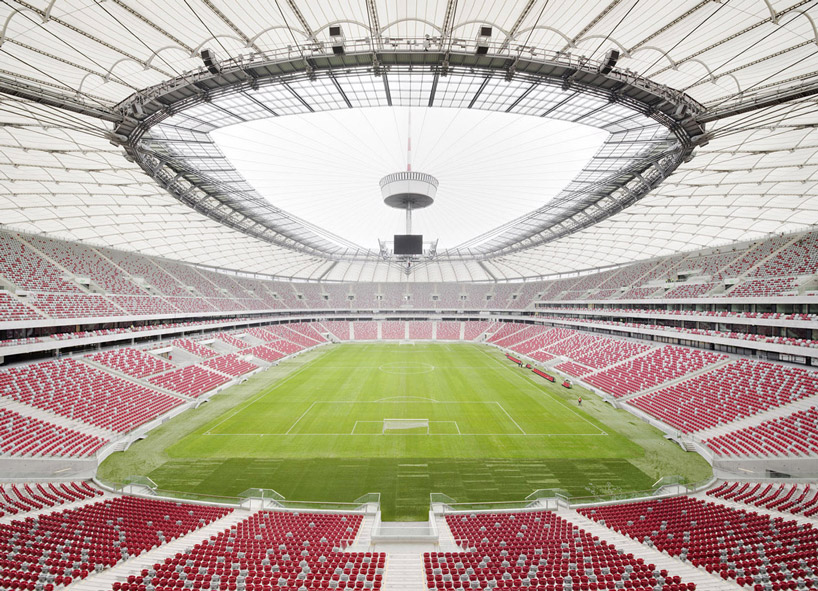
To handle the immense logistical realities of a 104-match slate, 16 world-class venues have been selected across the continent. These stadiums represent a fascinating mixture of rich sporting heritage and cutting-edge corporate engineering.
While Mexico City's Estadio Azteca makes history as the first venue to host matches across three separate World Cup editions (following 1970 and 1986), ultra-modern marvels like AT&T Stadium in Dallas and Mercedes-Benz Stadium in Atlanta are slated to host the high-stakes semi-final rounds. The entire spectacle will eventually culminate on July 19, 2026, at MetLife Stadium in East Rutherford, New Jersey, where a new world champion will be crowned before a projected global audience of billions.
With the tournament officially underway, the talking points shift from boardroom logistics to on-field execution. As legendary icons prepare for what is widely tipped to be their final major international tournament appearances alongside a hungry new generation of breakout stars, the 2026 World Cup stands poised to shatter attendance, broadcast, and revenue records, permanently redefining the footprint of the sport in North America.
What's Your Reaction?
 Like
0
Like
0
 Dislike
0
Dislike
0
 Love
0
Love
0
 Funny
0
Funny
0
 Wow
0
Wow
0
 Sad
0
Sad
0
 Angry
0
Angry
0



Comments (0)