
Friction in the Channels: Back-Channel Ceasefire Talks Stumble Over Sudden Defense Ministry Counter-Demands
Efforts to establish a temporary regional standstill and reopen vital commercial shipping corridors in the Strait of Hormuz hit a significant administrative roadblock today. Diplomatic envoys report that text adjustments ground to a halt following strict compliance demands submitted by military commands over weekend operations.


The momentum to de-escalate the multi-front conflict in West Asia has run into a rigid wall of military bureaucracy. Just as back-channel diplomatic tracks managed by a delicate network of European and regional mediators seemed on the verge of a text breakthrough, negotiations have dramatically stalled, revealing deep divisions between front-line military commands and civilian diplomats.
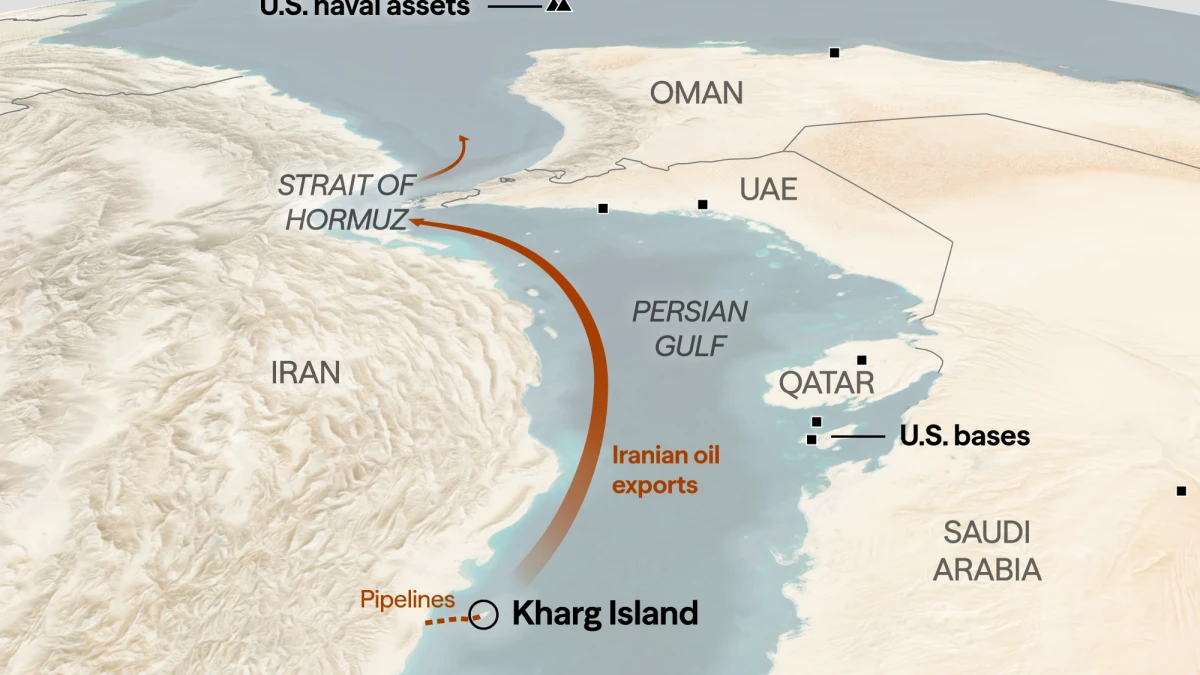
According to senior diplomatic envoys close to the discussions, the current gridlock centers entirely on the specific legal and operational frameworks required to safely reopen commercial shipping corridors through the highly volatile Strait of Hormuz. What was supposed to be a routine weekend review of a consensus text instead transformed into an administrative logjam, leaving international logistics companies and global energy markets in a prolonged state of high-stakes limbo.
The Friction Points in the Text
The primary disruption stems from an unexpected wave of highly detailed compliance counter-demands filed by defense ministries over the last forty-eight hours. While international diplomats have prioritized an immediate, sweeping resumption of maritime commerce to ease global macroeconomic strains, naval commands on the ground are refusing to compromise on strict verification and security protocols.
Envoys tracking the deadlocked talks have identified three core issues currently paralyzing the drafting committees:
-
The Scope of Maritime Inspections: Defense officials are demanding absolute authority to execute physical cargo inspections on suspect vessels entering the transit lanes, a provision that opposing regional delegations view as a thinly veiled tool for economic harassment.
-
Geographic Exclusion Zones: Disagreements have intensified over the precise coordinates of maritime safety buffers, with military planners insisting on wider naval exclusion boundaries that commercial shipping associations argue will render the narrow strait mathematically impassable for ultra-large crude carriers.
-
The Escalation Response Protocol: The text remains fundamentally stuck on the exact legal mechanism that would trigger an automatic collapse of the ceasefire, with defense ministries demanding the unilateral right to resume defensive strikes if any unflagged drone enters localized airspace, bypassing joint consultation panels.
The Cost of a Closed Corridor
The stakes surrounding these back-channel negotiations could not be higher. The Strait of Hormuz functions as the primary jugular vein for global energy distribution, with roughly one-fifth of the world’s total petroleum supply transiting through its waters on a daily basis. The prolonged closure forced by the hundred-day-old conflict has already driven up global shipping insurance premiums to historic levels, forcing major maritime logistics conglomerates to abandon the route entirely in favor of lengthy, expensive detours around the southern tip of Africa.
While international consumer indices have shown remarkable resilience so far, macroeconomic research bodies have continuously warned that a failure to unlock the strait before the peak summer demand cycle will inevitably trigger a secondary wave of global inflation. This economic reality has placed immense pressure on the European and Gulf-state mediators who are trying to bridge the ideological gap between the warring parties.
An Uncertain Path Forward
As the drafting session in Switzerland draws to a close without an agreed-upon press release, the immediate future of the ceasefire framework remains highly precarious. Mediators have reportedly spent the evening hours holding separate, urgent phone consultations with defense ministers in an attempt to soften the rigid compliance text, but insiders close to the process confess that the trust required to forge a compromise has worn incredibly thin.
For the international community, the sudden breakdown of the Hormuz talks serves as a stark reminder that in modern conflict resolution, drafting a conceptual peace is often the easy part. The real danger always lies in the technical details, where the cold, uncompromising security calculations of military planners can instantly overwrite weeks of meticulous diplomatic engineering.
What's Your Reaction?
 Like
0
Like
0
 Dislike
0
Dislike
0
 Love
0
Love
0
 Funny
0
Funny
0
 Wow
0
Wow
0
 Sad
0
Sad
0
 Angry
0
Angry
0









Comments (0)