
Choke Points and Contingencies: Fuel Squeeze Fears Gridlock Local Trade as Dubai and Doha Rewrite Logistics Playbooks
Intensifying kinetic friction across vital coastal shipping lanes has triggered widespread anxiety over localized fuel shortages and structural supply chain deficits. In response, major commercial hubs in Dubai and Doha are actively modifying their maritime logistics vectors to mitigate severe, long-term disruptions to their distribution networks.


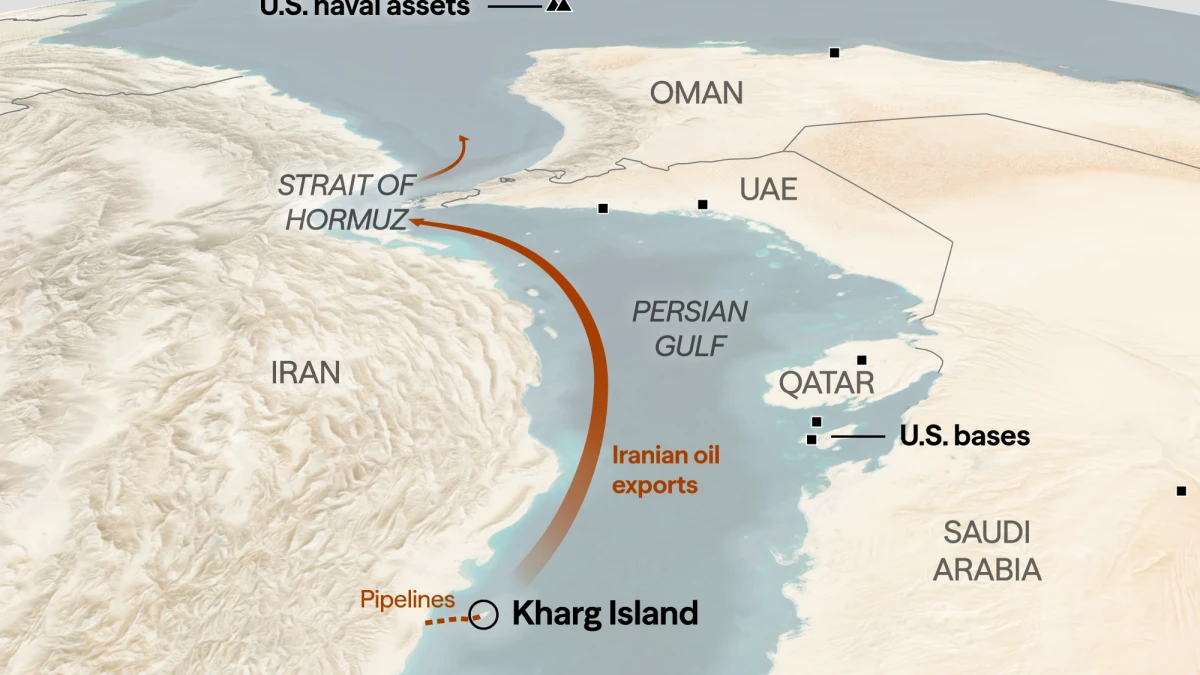
The ripples of maritime hostility in West Asia are forcing a fundamental reassessment of how goods move through the Arabian Gulf. As coastal shipping lanes face severe, daily kinetic friction from ongoing regional conflicts, the immediate threat of a localized fuel squeeze has begun grinding local commercial trade to a crawl.
Recognizing the gravity of the bottleneck, the region's primary economic engines—most notably the commercial hubs of Dubai and Doha—have stopped waiting for a diplomatic resolution. Logistics managers and state authorities are actively rewriting their supply chain playbooks, aggressively modifying transit vectors to safeguard domestic markets against deep structural delays.
The Breakdown of Just-in-Time Delivery
For decades, the commercial success of cities like Dubai and Doha has relied on highly optimized, just-in-time maritime supply networks. Because the vast majority of consumer goods, industrial components, and refined petroleum products move through tight coastal corridors, even a minor security disruption can cause massive delays down the line.
With merchant vessels now facing active threats in open waters, the traditional rhythm of local trade has broken down:
-
Slowing Wharf Activity: Local distribution networks are reporting extended waiting windows at regional ports as incoming cargo liners navigate highly cautious, defensive routes.
-
Surging Insurance Premiums: Local freight forwarders are grappling with ballooning operational overheads as maritime insurers impose steep war-risk surcharges on regional transit.
-
Wholesale Hoarding Signals: Fearing that a prolonged maritime blockade could impact localized fuel distributions, secondary suppliers have begun tightening inventory releases, stalling smaller consumer-facing businesses.
Dubai and Doha Pivot to Alternative Vectors
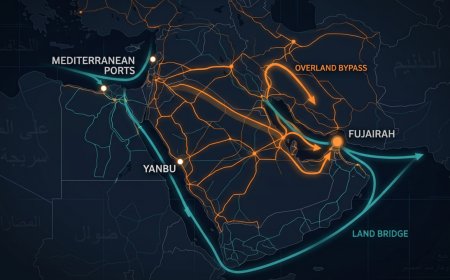
To prevent an all-out trade gridlock, logistics coordinators are implementing drastic emergency measures. In Dubai, port authorities and major global freight forwarders are diversifying away from purely maritime shipping, leaning heavily on multi-modal transit options to keep commercial pipelines fluid.
Similarly, Doha is leaning on its advanced domestic infrastructure to buffer against supply shocks. The structural modifications rolling out across these commercial capitals center on three major strategic shifts:
-
Overland Rerouting: Moving non-perishable freight off coastal container ships and transferring it onto overland trucking corridors that connect mainland ports to domestic industrial zones.
-
Air-Freight Subsidies: Utilizing major local carriers to run high-capacity air bridges for time-sensitive parts and medical supplies, bypassing sea lanes entirely despite the significantly higher cost.
-
Building Regional Buffers: Rapidly expanding storage mandates at major storage yards, holding larger strategic reserves of refined industrial fuels and essential consumer commodities to absorb multi-week supply gaps.
Adapting to a Friction-Heavy Reality
The aggressive defensive maneuvers undertaken by Dubai and Doha demonstrate a clear-eyed realization that the current security deficit in Middle Eastern waters is not a short-term crisis. Local business networks are adjusting to a new economic reality where friction, delayed timetables, and premium transport costs are standard operational overhead.
While these alternative land and air vectors are highly effective at preventing an outright collapse of the domestic retail and industrial sectors, they are fundamentally more expensive than traditional maritime shipping. Until a reliable security equilibrium is restored to the surrounding seas, the added cost of these modified logistics vectors will continue to weigh heavily on local trade networks, testing the fiscal resilience of the Gulf's most dominant commercial capitals.
What's Your Reaction?
 Like
0
Like
0
 Dislike
0
Dislike
0
 Love
0
Love
0
 Funny
0
Funny
0
 Wow
0
Wow
0
 Sad
0
Sad
0
 Angry
0
Angry
0









Comments (0)