
Market Shockwaves: Drone Attack on Ust-Labinsk Oil Depot Disrupts Southern Russian Refining Lines
Global energy markets reacted sharply today following confirmed reports of a massive drone strike on the Ust-Labinsk oil depot in Krasnodar Krai, southern Russia. The destruction of localized processing architecture has introduced fresh logistics bottlenecks into regional oil supply lines, driving up crude futures and triggering fresh anxieties over international energy security.

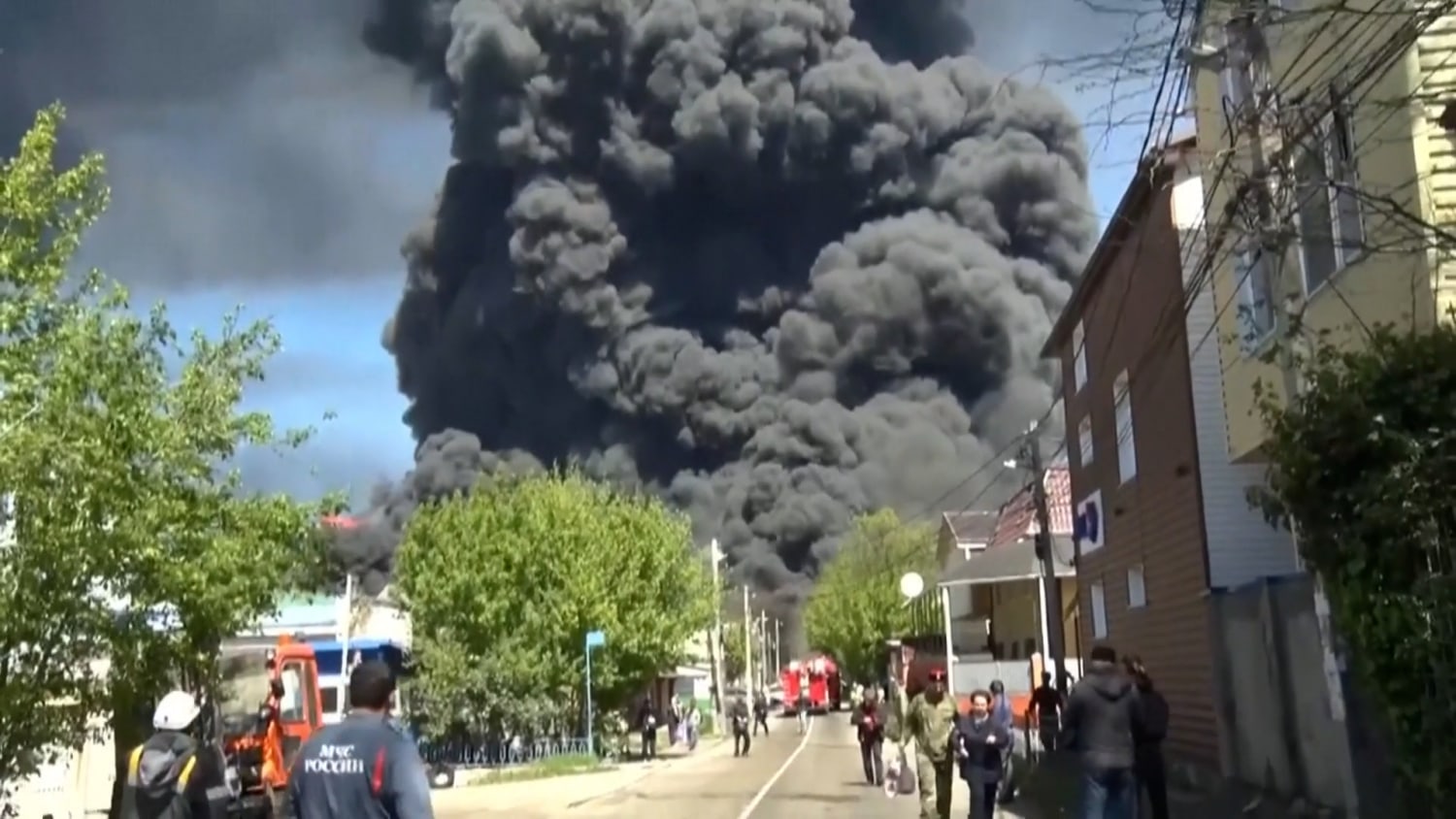
The complex matrix of global energy distribution has suffered another volatile shock. In a highly disruptive overnight operation, a massive drone incursion successfully penetrated deep security lines in southern Russia, dealing a severe blow to the refining and storage infrastructure of the Krasnodar Krai region.
The primary target of the attack was the strategically important Ust-Labinsk oil depot, a vital logistical cog that feeds both domestic consumption grids and regional export channels. Local emergency services and energy executives confirmed that the incoming drones bypassed defensive electronic countermeasures, striking the core of the facility and triggering an immediate structural crisis that reverberated instantly across international trading floors.
The Breakdown of Refining Architecture
Unlike standard, superficial cross-border skirmishes, this specific strike targeted high-value, specialized refining and distribution assets within the facility. The precision of the impacts suggests an advanced understanding of the site's industrial layout, causing maximum operational disruption with a minimal footprint.
According to preliminary technical audits from regional energy analysts, the damage has severely compromised several operational layers:
-
Localized Processing Destruction: The explosions heavily damaged specialized blending and processing units required to treat raw crude before it enters regional distribution pipelines.
-
Storage Tank Compromise: Multiple high-capacity storage reservoirs were completely ruptured, triggering massive fuel fires that required hours of intensive containment efforts from regional emergency crews.
-
Pumping Station Failure: The infrastructure connecting the depot's main reserve tanks to the primary southern railway logistics line was knocked offline, effectively trapping millions of barrels of product in place.
Immediate Reactions in Global Energy Markets
The fallout from the Ust-Labinsk attack was felt almost instantaneously in London and New York. Brent crude and West Texas Intermediate (WTI) futures spiked by over two percent within minutes of the news being verified, as algorithms and human traders scrambled to price in the sudden loss of southern Russian processing capacity.
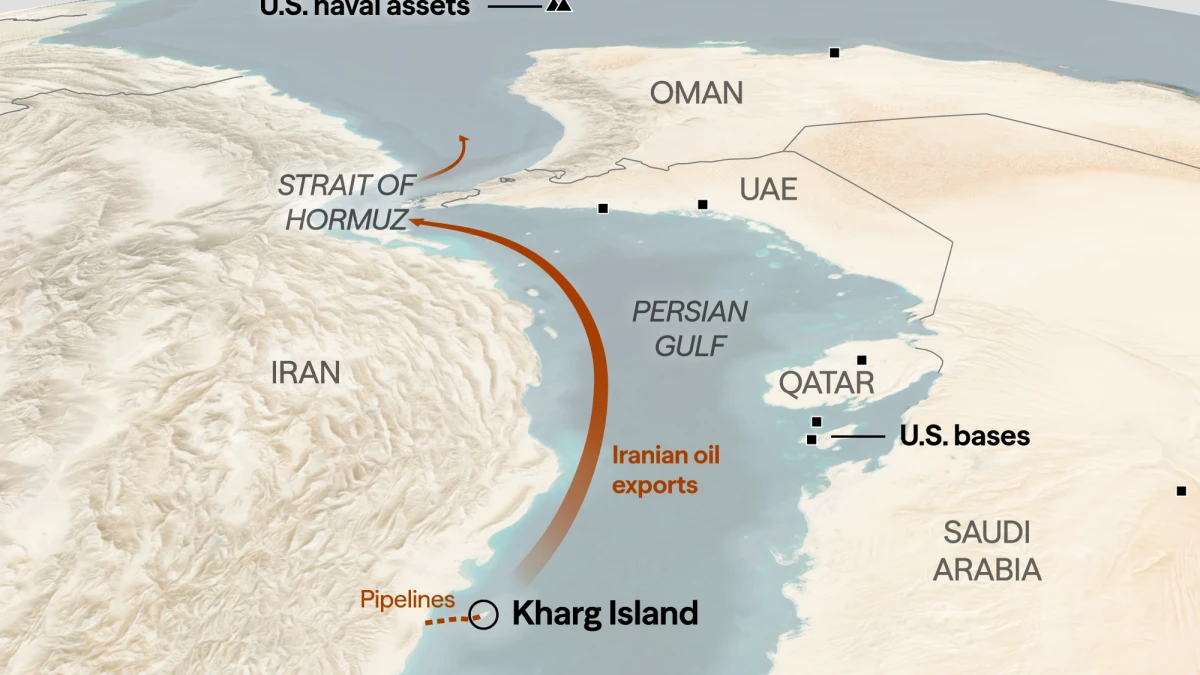
The sharp market reaction underscores a deeper, systemic anxiety among global commodity traders. With maritime transit corridors through the Middle East already deadlocked due to parallel geopolitical tensions, international energy networks have very little margin for error. The sudden imposition of a logistics bottleneck in Krasnodar Krai means that alternative European and Asian supply hubs must work double-time to cover the deficit, driving up short-term delivery premiums and forcing shipping conglomerates to renegotiate insurance liabilities.
The Threat of the Expanding Asymmetric Front
From a strategic perspective, the disruption at Ust-Labinsk highlights the terrifying efficacy of modern asymmetric warfare against fixed industrial targets. Traditional defense networks are built to intercept large-scale, high-altitude threats, leaving sprawling energy complexes highly vulnerable to low-profile, mass-produced drone swarms that approach beneath standard radar lines.
As Russian state engineers begin the long, difficult process of clearing the scorched wreckage and auditing what remains of the processing valves, global markets are bracing for a period of extended volatility. The structural damage inflicted in Krasnodar Krai cannot be repaired overnight. Until the pumping stations are rebuilt and the processing architecture is fully restored, the bottleneck in southern Russia will continue to exert an expensive upward pressure on the global cost of energy.
What's Your Reaction?
 Like
0
Like
0
 Dislike
0
Dislike
0
 Love
0
Love
0
 Funny
0
Funny
0
 Wow
0
Wow
0
 Sad
0
Sad
0
 Angry
0
Angry
0








Comments (0)