
Kinetic Leverage: US Launches Second Wave of Heavy Missile Strikes on Iran as Peace Talks Collapse
The United States military has executed a second consecutive day of intensive air and missile strikes against multiple strategic facilities inside Iran. President Donald Trump announced the escalation directly from Washington, accusing Iranian leadership of intentionally stalling diplomatic negotiations aimed at securing an interim peace agreement.


The fragile diplomatic backchannels between Washington and Tehran have completely shattered, replaced by a major kinetic campaign in the skies over West Asia. For the second consecutive day, the United States military has unleashed heavy air and missile strikes targeting high-value strategic positions across Iran, marking one of the most severe escalations in regional warfare in recent history.
The strikes, coordinated through US Central Command, targeted deeply fortified infrastructure sectors. According to preliminary defense intelligence briefings, the operations are designed to systematically degrade Iran’s retaliatory capabilities while sending an uncompromising political signal to the regime’s senior command structure.
Washington Blames Iranian Delays
The public justification for the massive military action came directly from the White House. President Donald Trump addressed the press, stating that the decision to launch the strikes was born out of extreme diplomatic frustration. According to the administration, the US and its regional allies had presented a structured framework for an interim peace agreement intended to de-escalate months of paralyzing maritime standoffs and economic friction.
However, American intelligence officials concluded that Tehran was using the negotiating table as a stalling tactic. The White House maintains that Iranian envoys were intentionally dragging out the diplomatic process to buy time, allowing their regional proxy networks to regroup and restock specialized munitions while pretending to seek a peaceful resolution.
The administration's current enforcement strategy relies on several key pillars:
-
Enforcing Ultimate Leverage: The White House is operating on the belief that diplomatic concessions can only be extracted from Tehran through overwhelming, undeniable military pressure.
-
Neutralizing Strategic Depots: The physical targets chosen for the civilian-bypassing strikes focus heavily on drone manufacturing hubs, ballistic missile storage facilities, and command-and-control bunkers.
-
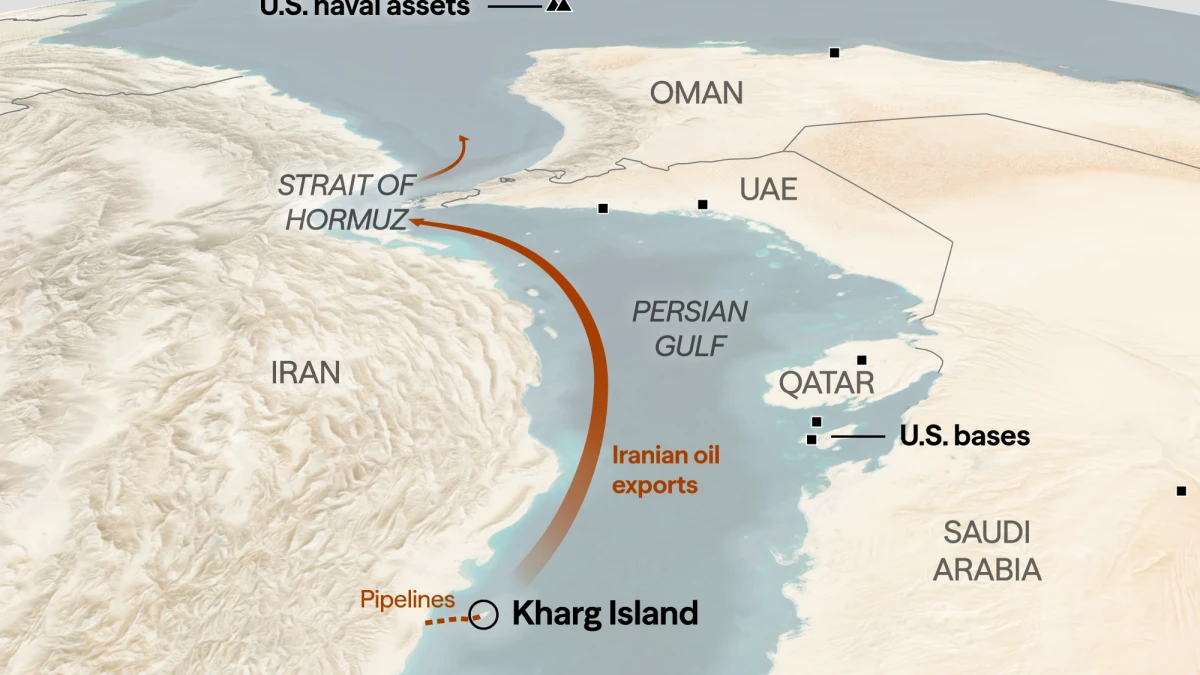
Securing Global Transit: By targeting coastal radar arrays and missile launch sites, the US military intends to force open blocked shipping lanes that have choked international trade.
Tehran Braces as Air Defenses Activate
Inside Iran, the domestic environment has shifted into a state of maximum war footing. Explosions were reported across multiple provinces, particularly near vital coastal logistics hubs and defensive strongholds in the south. In the capital city of Tehran, heavy anti-aircraft batteries and electronic warfare countermeasures were activated throughout the night as tracking systems identified incoming precision-guided munitions.
Iranian state media has condemned the attacks as an unprovoked act of aggression that completely violates national sovereignty. While military spokesmen inside Iran claim their forces successfully intercepted a significant portion of the incoming American cruise missiles, independent satellite imagery and local footage indicate substantial structural damage at several key facilities.
Regional analysts warn that by backing Iran into an economic and military corner, the risk of a asymmetric counter-response—specifically targeting international energy infrastructure or regional shipping choke points—has risen exponentially.
A Dangerous Strategic Gambit
The ongoing missile campaign represents a massive geopolitical gamble for the United States. By opting for a high-intensity bombing campaign to force a diplomatic signature, the administration is betting that Iran's leadership will choose political survival over total war.
However, with regional tensions already operating at a historic boiling point, the line between forced diplomacy and an uncontrollable, multi-front regional conflict has never been thinner. As the second day of bombardment draws to a close and smoke rises over strategic Iranian sectors, the international community is left waiting to see if Washington’s heavy-handed kinetic leverage will force Tehran back to the negotiating table, or ignite a wider war that could reshape global markets for years to come.
What's Your Reaction?
 Like
0
Like
0
 Dislike
0
Dislike
0
 Love
0
Love
0
 Funny
0
Funny
0
 Wow
0
Wow
0
 Sad
0
Sad
0
 Angry
0
Angry
0









Comments (0)