
Shadows at the Table: US Counterintelligence Alarms Flare Over Israeli Eavesdropping on Ceasefire Envoys
A sharp diplomatic and intelligence rift has broken open between Washington and Jerusalem. Internal US intelligence briefings have sounded the alarm that Israeli espionage agencies have actively intercepted the communications of American negotiators handling sensitive, back-channel regional ceasefire parameters.

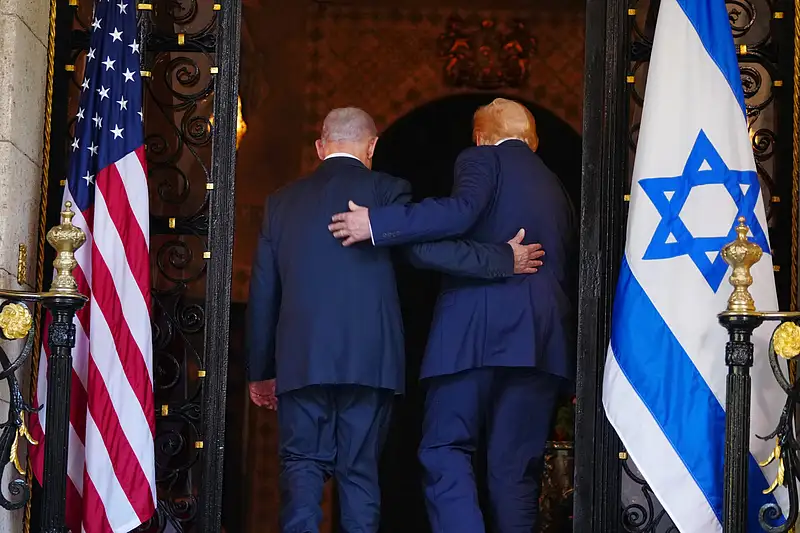
The historically tight, yet often complicated intelligence-sharing alliance between the United States and Israel is weathering a profound new crisis. A severe counterintelligence dispute has erupted within the highest echelons of Washington's national security apparatus following verified internal briefings pointing to an aggressive, targeted espionage campaign orchestrated by Israeli agencies against American diplomatic assets.
According to senior defense and intelligence officials familiar with the briefings, the surveillance was not a generalized dragnet. Instead, it was an incredibly precise, sophisticated operation explicitly designed to intercept the private deliberations, communications, and internal strategy shifts of American negotiators who are currently working to finalize a delicate, multi-party regional ceasefire.
The Targeted Interception of American Parameters
The discovery of the operational breach has sent shockwaves through the State Department and the intelligence community. For weeks, a small, highly vetted team of US envoys has been conducting confidential, back-channel negotiations via European and Middle Eastern intermediaries to establish a durable cessation of hostilities in West Asia.
Counterintelligence units discovered that Israeli operatives successfully breached communication pipelines to map out several critical components of the American diplomatic playbook:
-
Internal Bottom Lines: The surveillance actively targeted private assessments detailing the absolute minimum concessions Washington was willing to accept from regional adversaries before pausing defensive naval operations.
-
Allied Leverage Points: Intercepted logs revealed that Israeli agencies were tracking the specific diplomatic levers and economic assurances US envoys intended to deploy to keep fragile regional delegations at the negotiating table.
-
Friction Over Settlement Policy: The eavesdropping also captured internal, highly critical American policy positions regarding unapproved territorial outposts, giving Jerusalem advance warning of impending diplomatic maneuvers from Washington.
A Long History of Close-Quarters Friction
While the public face of the US-Israel relationship is anchored on unwavering security cooperation, veteran intelligence professionals note that beneath the surface, the two nations have long maintained a fierce, competitive espionage dynamic. Washington and Jerusalem frequently spy on one another, particularly when their core national security interests and long-term geopolitical visions begin to diverge.
The current friction stems from a fundamental disagreement over the endgame of the hundred-day-old conflict. While the White House is under immense domestic political pressure to secure an immediate, comprehensive pause to stabilize global shipping lanes and ease voter anxieties ahead of the midterms, the current Israeli administration views any premature halt as a strategic compromise that fails to neutralize long-term border threats. By eavesdropping on American envoys, Jerusalem effectively gained an unfair advantage at the diplomatic card table, allowing its leadership to artificially construct counter-arguments and alter its military operations on the ground to match or preempt American policy shifts.
Hardening the Security Perimeter
The immediate response from American national security leadership has been swift and unforgiving. The State Department has drastically overhauled its communication safety protocols, ordering that all subsequent high-level discussions regarding the ceasefire framework take place exclusively within heavily shielded, air-gapped facilities in neutral European capitals.
Furthermore, routine bilateral counterintelligence coordination panels between the CIA and Mossad have been temporarily frozen as Washington demands a comprehensive explanation for the hostile intercept operation. While public-facing diplomats on both sides will undoubtedly attempt to downplay the severity of the rift to project an image of absolute allied unity, the reality behind closed doors is clear. The trust required to build a permanent regional security framework has been fundamentally compromised, proving once again that in the high-stakes world of global diplomacy, even your closest ally can quickly become your most dangerous listener.
What's Your Reaction?
 Like
0
Like
0
 Dislike
0
Dislike
0
 Love
0
Love
0
 Funny
0
Funny
0
 Wow
0
Wow
0
 Sad
0
Sad
0
 Angry
0
Angry
0













Comments (0)