
Diplomatic Friction: New Delhi Summons US Envoy Following Fatal Strike on Commercial Tanker in Gulf of Oman
The Indian government has lodged a formal, aggressive protest against the United States after a US military strike in the Gulf of Oman resulted in the deaths of three Indian seafarers. The Ministry of External Affairs officially summoned the US Deputy Chief of Mission to demand accountability and express deep concern over escalating collateral damage in the region's shipping lanes.

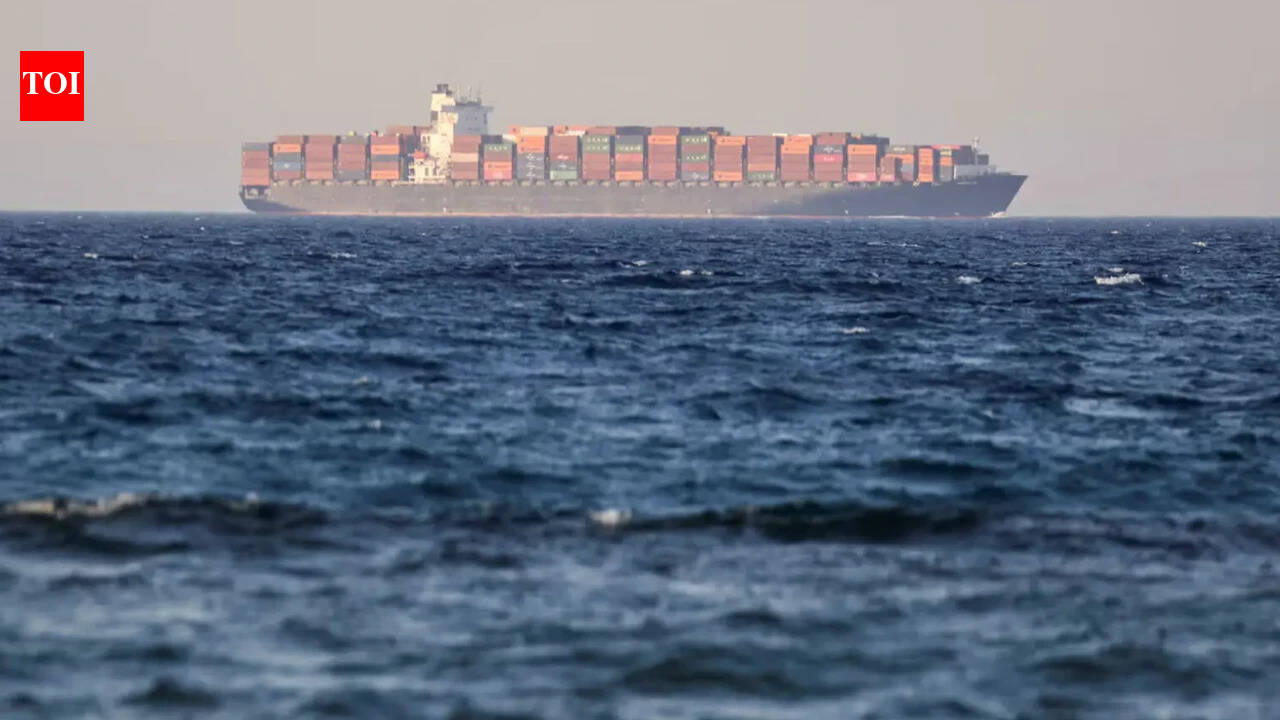
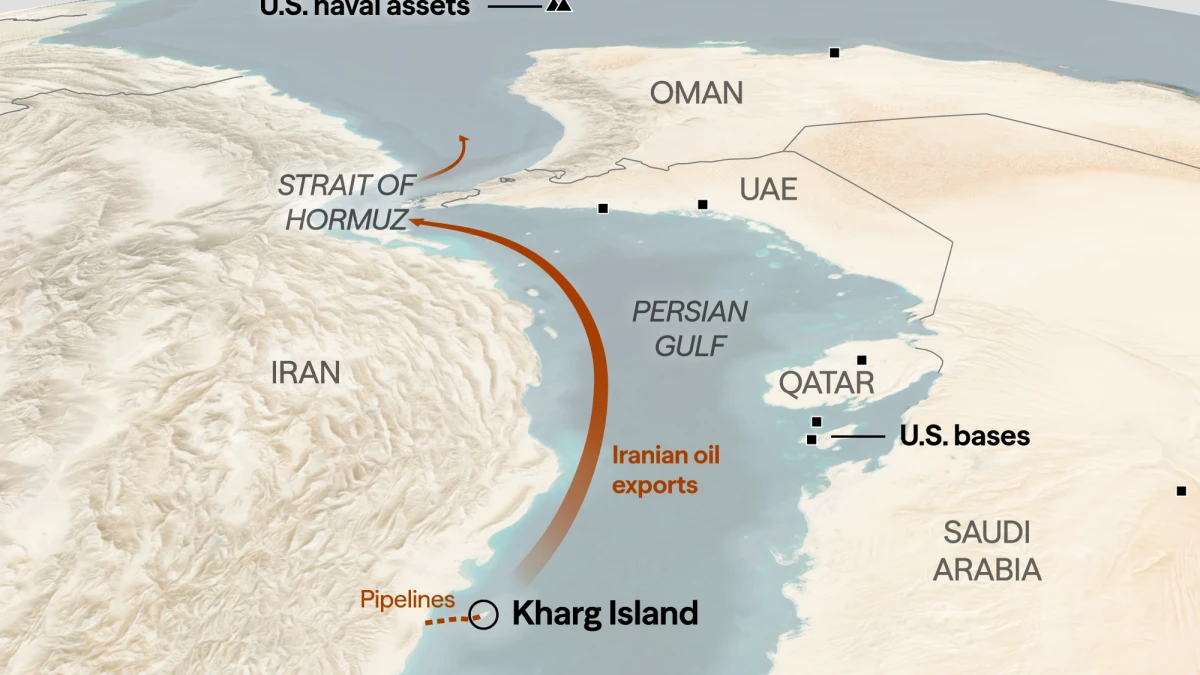
A severe diplomatic rift has opened between New Delhi and Washington following a fatal military incident in the Middle East. The Indian government has formally lodged a strong protest with the United States after a US military strike targeting hostile vectors in the Gulf of Oman tragically claimed the lives of three missing Indian seafarers operating aboard a commercial tanker.
In an immediate and decisive diplomatic response, the Ministry of External Affairs (MEA) in New Delhi officially summoned the US Deputy Chief of Mission. During the high-stakes meeting, Indian officials delivered a stern demarche, demanding an immediate, transparent investigation into the operational intelligence and execution of the strike that led to the civilian fatalities.
The Tragedy in the Gulf of Oman
The incident occurred amidst an increasingly volatile security environment in West Asia, where US forces have been conducting high-intensity kinetic campaigns to keep international shipping corridors clear. The three Indian nationals had initially been reported missing following the chaotic aftermath of a recent strike on their commercial vessel, which was transiting the highly sensitive waters of the Gulf of Oman.
Subsequent damage assessments and search operations confirmed the worst. The seafarers were killed when American precision munitions struck the vessel, drawing immense criticism regarding the lack of real-time deconfliction protocols between international coalition forces and commercial maritime registries.
The MEA has highlighted several critical grievances regarding the incident:
-
Lack of Actionable Deconfliction: New Delhi expressed profound concern that commercial vessels carrying neutral, multinational civilian crews are not being properly insulated from targeted military operations.
-
Demands for Strict Accountability: The Indian government is insisting on a full disclosure of the target selection criteria used by US Central Command during the operation.
-
Protection of Maritime Labor: India, as one of the world's largest providers of global seafaring talent, emphasized that the safety of its citizens in international waters is a non-negotiable national security priority.
Navigating a Complex Strategic Partnership
This sudden friction places both democracies in a deeply uncomfortable position. Over the past several years, India and the United States have steadily tightened their defense and maritime security cooperation, particularly through strategic alliances designed to maintain open, rule-based trading routes across the Indo-Pacific.
However, the spillover effects of Washington's aggressive military posture in the Middle East are now testing the limits of that partnership. While New Delhi has consistently condemned piracy and unlawful attacks on merchant shipping, it has remained fiercely protective of its strategic autonomy and the safety of its massive diaspora workforce.
During the diplomatic summoning, Indian diplomats made it entirely clear that while they support regional stability, they will not tolerate an environment where Indian civilians are treated as acceptable collateral damage in Western military maneuvers.
A Demand for Structural Safeguards
As the initial shock of the fatalities ripples through the international maritime community, the focus turns directly to Washington for a formal response. The US Embassy in New Delhi has expressed deep regret over the loss of civilian lives, promising a thorough review of the operational parameters that led to the tragedy.
For India, the path forward requires more than just formal apologies. The government is pushing for a structural rewrite of how military forces interact with commercial shipping lines in active conflict zones. Until rigid, real-time tracking safeguards are firmly established between naval commands and merchant fleets, the vital trade arteries of West Asia will remain a deadly hazard for the thousands of civilian sailors keeping global commerce afloat.
What's Your Reaction?
 Like
0
Like
0
 Dislike
0
Dislike
0
 Love
0
Love
0
 Funny
0
Funny
0
 Wow
0
Wow
0
 Sad
0
Sad
0
 Angry
0
Angry
0









Comments (0)