
Defending Financial Sovereignty: Why Brazil is Firmly Rejecting Washington’s New Terrorist Labels
Ahead of a high-stakes diplomatic mission to Washington, Brazilian Finance Minister Dario Durigan has soundly rejected U.S. attempts to classify domestic organized crime syndicates as international terrorist organizations, warning that the unilateral legal classification threatens Brazil's independent financial infrastructure.

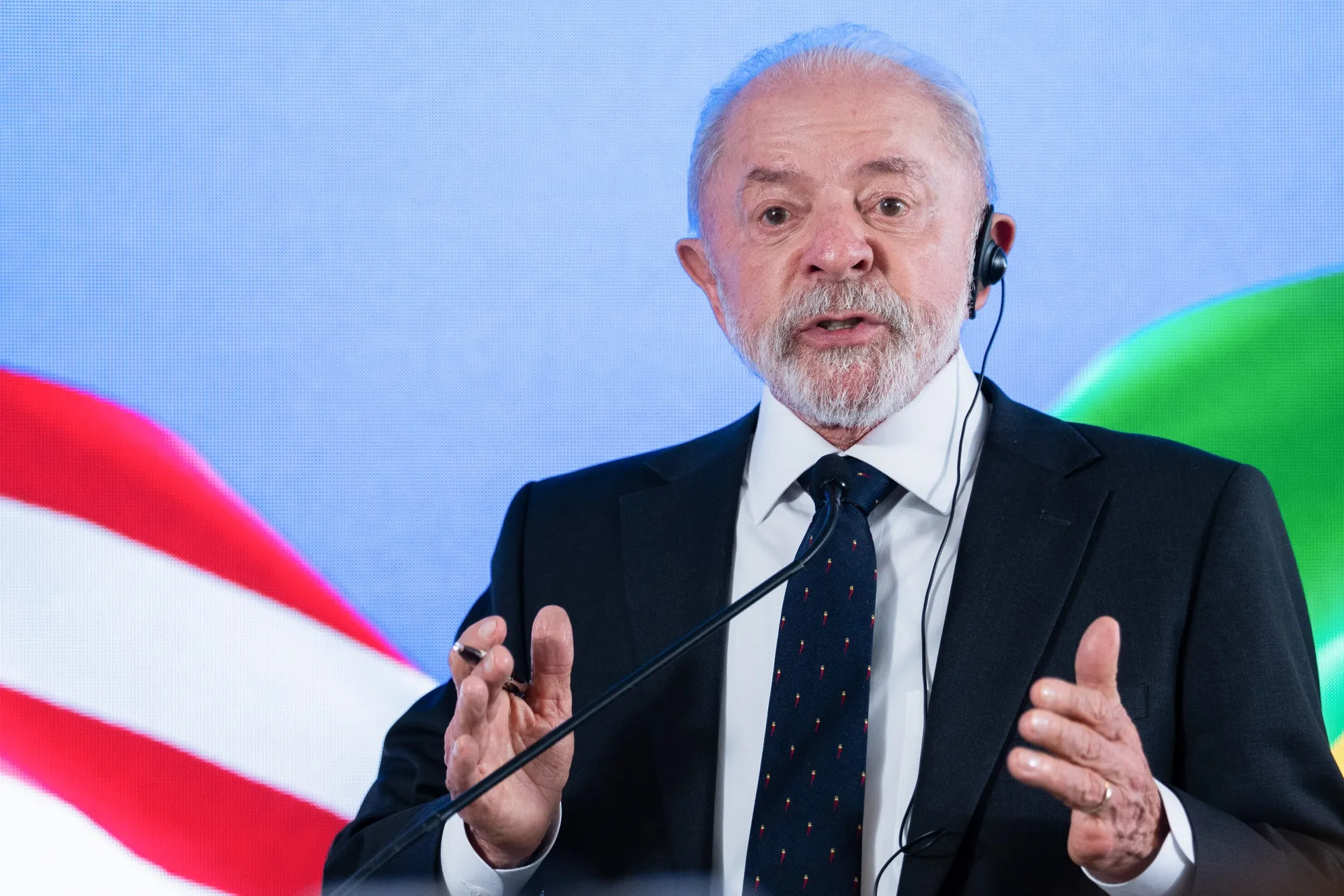
A major diplomatic and financial rift is opening up between the two largest economies in the Western Hemisphere. Brazil has officially issued a firm, uncompromising rejection of a proposed United States policy shift that aims to reclassify localized South American organized crime syndicates under the legal umbrella of global terrorist organizations.
The brewing confrontation will move to the heart of Washington this week as Brazilian Finance Minister Dario Durigan leads a delegation of high-ranking legal and economic advisors to the U.S. capital. Durigan’s mandate is clear: challenge the unilateral expansion of U.S. anti-terrorism laws and firmly communicate that Brasilia views these impending designations not as a cooperative security measure, but as a direct intrusion on its national sovereignty.
The Mechanism of Alarming Capital Controls
At the core of Brazil’s pushback is a deep institutional understanding of how American financial enforcement mechanisms operate. When the U.S. Department of State or Department of the Treasury places an entity on its Foreign Terrorist Organization (FTO) list, it triggers an immediate, aggressive web of global financial restrictions.
Brazilian financial regulators argue that applying these heavy counter-terrorism frameworks to domestic criminal syndicates creates severe systemic risks for the broader, legitimate economy:
-
De-Risking and Capital Flight: International commercial banks, terrified of accidental compliance violations and massive U.S. treasury fines, often respond to these designations by completely cutting off entire geographic regions or industrial sectors from the global financial grid.
-
Collateral Infrastructure Damage: Unilateral sanctions can easily disrupt legitimate trade finance corridors, making it incredibly difficult for legal agricultural, logistics, and infrastructure firms to process standard cross-border transactions if they operate anywhere near targeted municipal zones.
-
The Erosion of Local Authority: By allowing Washington to dictate the legal definition of local criminal activities, Brazil warns it would effectively be ceding its own sovereign judiciary and law enforcement prerogatives to foreign policymakers.
Crime vs. Terrorism: A Crucial Distinction
The government in Brasilia is quick to clarify that its resistance to Washington’s policy is not an attempt to downplay the immense, violent challenges posed by regional organized crime. Brazil continues to deploy significant military and intelligence assets to combat powerful domestic drug trafficking organizations and border-spanning syndicates.
However, Brazilian legal scholars and diplomats insist on maintaining a strict, clear distinction between traditional organized crime and international terrorism. While terrorist networks operate on deep-seated ideological, political, or religious motives aimed at dismantling states, South American syndicates are fundamentally profit-driven entities operating within the shadow economy.
Treating a highly commercial, revenue-focused criminal enterprise with the exact same legal tools used to dismantle global ideological networks is seen by Brazil as an dangerous overreach. It establishes a precarious legal precedent that could allow foreign powers to intervene in domestic civil security matters under the banner of counter-terrorism.
High-Stakes Meetings in the District
During his tightly packed itinerary in Washington, Minister Durigan is scheduled to hold critical, closed-door meetings with senior officials at the U.S. Treasury, the State Department, and key members of the Senate Foreign Relations Committee.
Durigan is expected to present a comprehensive alternative framework, emphasizing that the most effective way to cripple regional syndicates is through enhanced bilateral intelligence sharing and targeted anti-money laundering cooperation. This collaborative approach achieves the desired security outcomes without trampling on independent legal systems or threatening the integrity of Brazil’s sovereign banking infrastructure.
As Latin American nations increasingly assert their independence in an increasingly multipolar global landscape, the showdown in Washington highlights a growing reluctance to accept unilateral Western mandates. For Brazil, protecting the economy from the blunt instrument of foreign sanctions is an absolute necessity. The message Durigan is bringing to Capitol Hill is simple: while Brazil remains a committed partner in global security, the defense of its financial sovereignty is entirely non-negotiable.
What's Your Reaction?
 Like
0
Like
0
 Dislike
0
Dislike
0
 Love
0
Love
0
 Funny
0
Funny
0
 Wow
0
Wow
0
 Sad
0
Sad
0
 Angry
0
Angry
0






Comments (0)