
Choke Point Crisis: Tanker MV Jalveer Struck Off Oman in Third Maritime Attack in Four Days
The maritime corridor off the coast of Oman has faced yet another security crisis. The Guinea-Bissau flagged asphalt tanker MV Jalveer was struck in open waters, marking the third major international shipping breach in just four days under tactical circumstances that mirror previous regional strikes.


Commercial shipping routes in West Asia have fallen into an incredibly dangerous security deficit. In a rapid escalation of maritime hostility, the asphalt tanker MV Jalveer was targeted and struck by unguided or precision ordnance off the coast of Oman, sending international naval coalitions and commercial insurance markets into an immediate tailspin.
The incident is not an isolated event. It marks the third highly disruptive maritime security breach within a tiny four-day window, signaling a coordinated, aggressive push by regional actors to paralyze civilian transit corridors. The tactical profile of the strike suggests that merchant fleets navigating the Arabian Sea and the Gulf of Oman are operating under an active, unmitigated threat.
Tactical Mirroring in the Gulf of Oman
The MV Jalveer, a specialized asphalt tanker flying the flag of Guinea-Bissau, was transiting international waters when the strike occurred. Initial telemetry and damage reports from the theater of conflict indicate that the assault heavily mirrors the previous two attacks executed against global merchant fleets earlier in the week.
Naval analysts evaluating the pattern have noted several consistent operational details:
-
Low-Profile Engagement Profiles: The attack utilized low-flying, asymmetric kinetic vectors designed to bypass standard commercial early-warning radar arrays.
-
Specific Target Selection: The perpetrators are consistently singling out vulnerable, slower-moving specialized cargo vessels rather than heavily guarded capital warships.
-
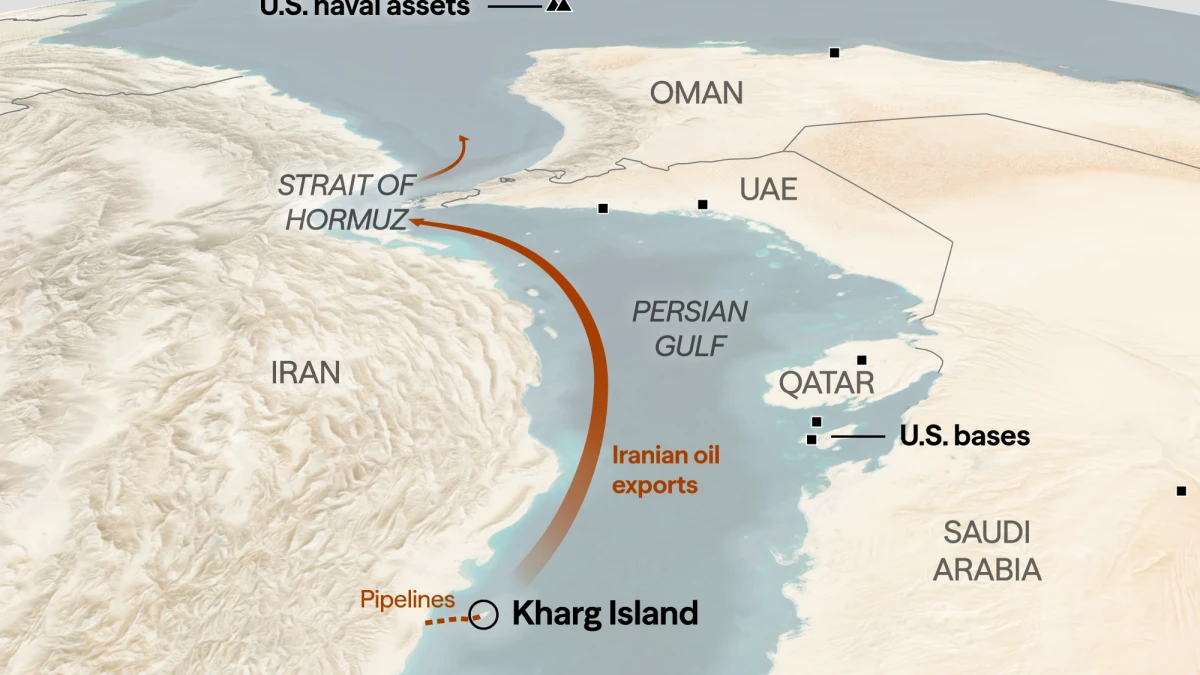
Deliberate Geographic Bottlenecking: The coordinates of the strike fall directly within the critical transition zone where ships must line up to enter or exit the main shipping arteries of the Persian Gulf.
Commercial Shipping on High Alert
The immediate fallout of the attack on the MV Jalveer has reverberated far beyond the physical waters of Oman. Global maritime syndicates and international shipping firms are actively re-evaluating whether it is structurally safe to allow their crews to navigate the region without heavy, dedicated naval escorts.
The economic penalties of this sustained campaign are compounding rapidly. Marine insurance underwriters have significantly adjusted war-risk premiums for any commercial hull planning a route through the Arabian Sea, a cost that will inevitably be passed down to global consumer markets in the form of higher freight surcharges.
Furthermore, multiple logistics firms have started ordering their captains to execute immediate holding patterns outside the high-risk zone, resulting in immediate scheduling delays for vital industrial raw materials.
A Broken Equilibrium
As regional coast guards and international naval task forces move to secure the area surrounding the damaged MV Jalveer, the broader geopolitical picture looks increasingly bleak. The recurrence of these strikes proves that traditional maritime deterrence models have fractured, leaving merchant sailors exposed on the front lines of an undeclared asymmetric conflict.
With three distinct vessels struck in less than a week, the international community is facing intense pressure to transition from passive monitoring to aggressive, active convoy policing. If these trade corridors remain unprotected, the compounding risk of localized trade blockades could soon transform a regional security crisis into a full-scale global supply chain emergency.
What's Your Reaction?
 Like
0
Like
0
 Dislike
0
Dislike
0
 Love
0
Love
0
 Funny
0
Funny
0
 Wow
0
Wow
0
 Sad
0
Sad
0
 Angry
0
Angry
0











Comments (0)