
The Doha Pipeline: Trump and Qatari Emir Coordinate Crucial De-Escalation Framework
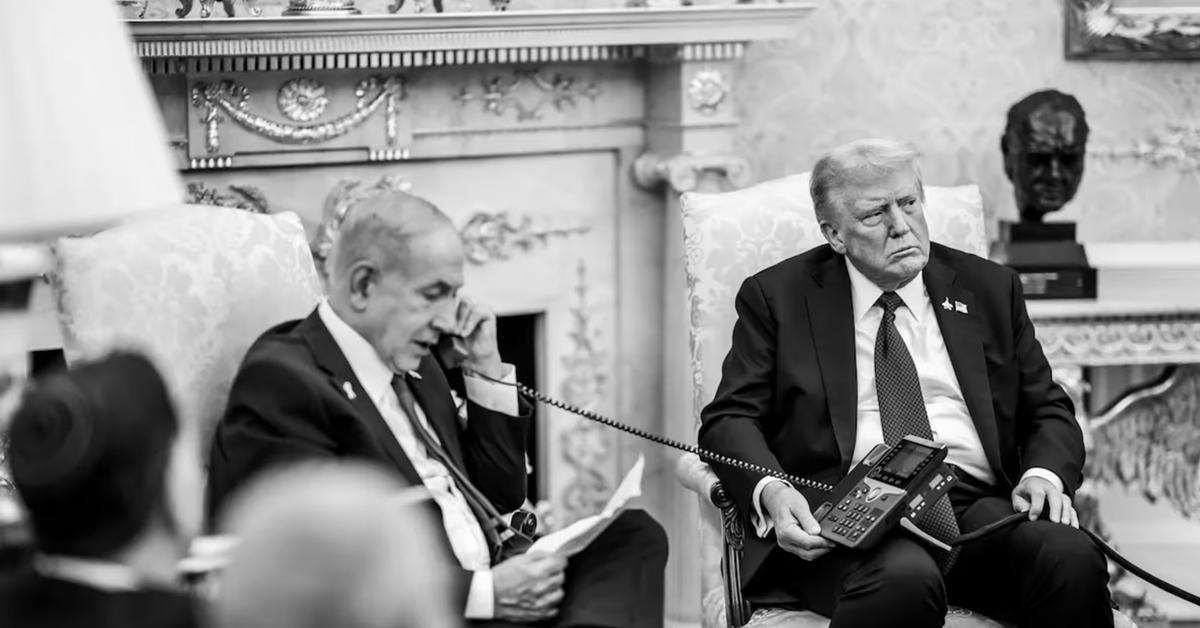
Following a critical session in the White House Situation Room, President Donald Trump held a high-level diplomatic call with Qatar's Emir, Sheikh Tamim bin Hamad Al Thani, to synchronize back-channel mediation efforts and secure international energy corridors.


The center of gravity for international diplomacy has shifted squarely toward the Gulf. Fresh off a high-stakes meeting in the White House Situation Room to determine the future of American involvement in the West Asian conflict, President Donald Trump initiated a direct, high-level diplomatic phone call with Qatar's Emir, Sheikh Tamim bin Hamad Al Thani.
The extensive consultation was designed to review, reinforce, and synchronize ongoing political and diplomatic mediation structures managed by Doha. With the region balancing on the edge of a wider structural collapse, the conversation emphasized Qatar's unique position as the primary back-channel intermediary capable of anchoring a stable, 60-day regional ceasefire accord.
Activating the Back-Channel Architecture
Qatar has long established its geopolitical footprint as an indispensable diplomatic bridge between Western capitals and hardline regional actors. As Washington demands verifiable guarantees regarding maritime freedom and nuclear non-proliferation, Doha's mediation pipelines are serving as the actual friction-reducing mechanism keeping the parties at the negotiating table.
The call between the two leaders focused on finalizing several structural steps within the proposed 60-day window:
-
Verifiable Communication Relays: Refining the secure transmission lines used to convey Washington’s strict red lines directly to decision-makers in Tehran without public posturing.
-
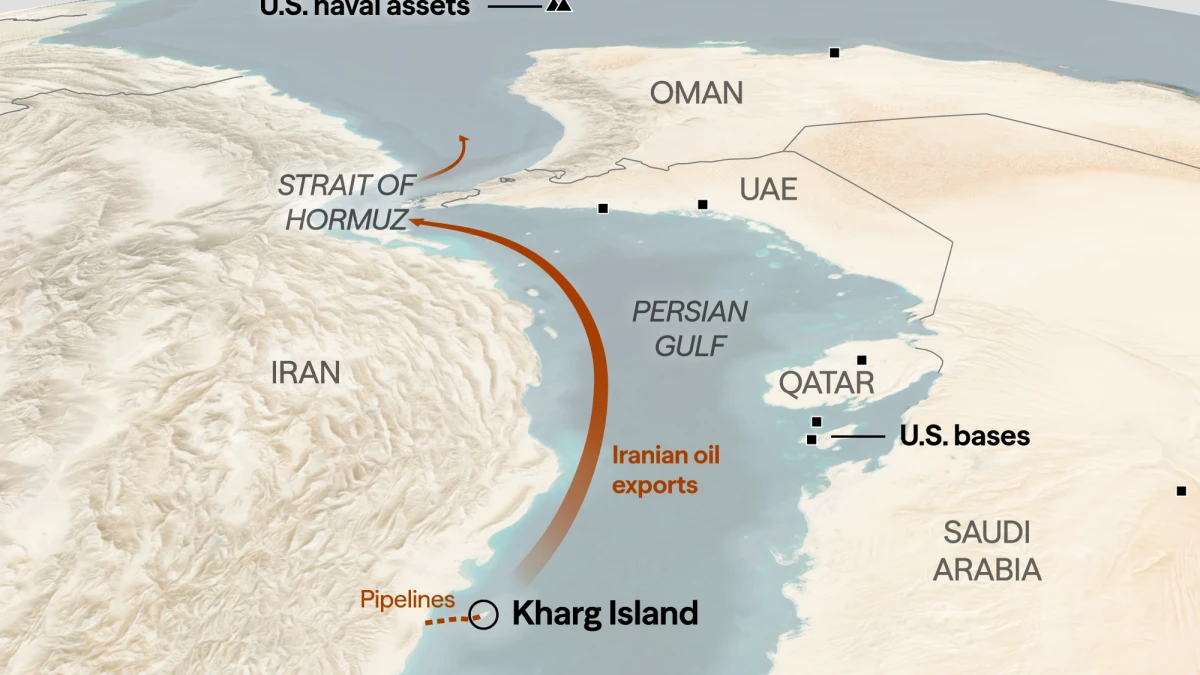
Enforcing Maritime De-escalation: Coordinating joint oversight parameters to ensure that once a formal signature is reached, commercial shipping can safely resume transit through the Strait of Hormuz.
-
Structuring Humanitarian Containment: Establishing pre-approved financial and logistics pipelines to handle immediate civilian relief, guaranteeing that resources are directed exclusively toward reconstruction rather than militant resupply.
Economic Stakes and Waterway Security
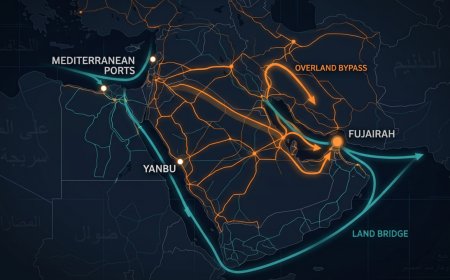
For President Trump, consulting closely with the Qatari leadership is an entirely pragmatic choice. The ongoing maritime disruption has severely penalized international energy markets, with shipping insurance premiums soaring to unsustainable heights. Because Qatar is a premier global exporter of liquefied natural gas, its economic stability is fundamentally bound to the absolute security of the region’s primary waterways.
During the discussion, the leaders reviewed the strict conditions established during the White House national security huddle. The American administration reaffirmed that while it seeks a diplomatic exit from active hostilities, it will not tolerate a framework that allows regional adversaries to quietly enrich uranium or implement arbitrary transit tolls on international shipping. Doha’s task in the coming days will be translating these rigid American mandates into a functional text that can survive political scrutiny in foreign capitals.
The Outlook for Regional Stability
The high-level interaction between Washington and Doha proves that even in an era defined by aggressive military deterrence and heavy aerial patrols, the final resolution to complex conflicts requires sophisticated back-room diplomacy.
As the 60-day ceasefire framework moves toward a definitive timeline, the strategic alignment between President Trump and Sheikh Tamim will remain a critical anchor. The success of the pipeline depends entirely on whether Doha can leverage its unique diplomatic equity to convince regional actors that a verifiable, negotiated peace is vastly preferable to facing the full kinetic weight of a locked-and-loaded American military presence.
What's Your Reaction?
 Like
0
Like
0
 Dislike
0
Dislike
0
 Love
0
Love
0
 Funny
0
Funny
0
 Wow
0
Wow
0
 Sad
0
Sad
0
 Angry
0
Angry
0








Comments (0)