
A Hundred Days in the Dark: The Growing Political Toll of the US-Iran Standoff
As active hostilities between the United States, Israel, and Iran reach the 100-day mark, fresh polling reveals the conflict has become deeply unpopular with the American public, creating a major electoral headache for President Donald Trump ahead of the crucial fall midterms.


What began as a localized flare-up in West Asia has officially hit a grim milestone. Today marks exactly 100 days since the United States, alongside its regional ally Israel, entered a state of active, open hostilities with Iran. The initial expectation of a swift, high-pressure kinetic campaign has evaporated, replaced instead by an agonizing diplomatic stalemate and persistent daily drone and missile exchanges that show no signs of stopping.
But while the military frontline remains gridlocked around critical shipping corridors, a second major front has opened up back home in Washington. For President Donald Trump, the hundred-day mark is not just a strategic frustration; it is rapidly turning into a severe domestic political crisis as the legislative midterms loom large on the horizon.
Deepening Skepticism in the American Electorate
The prolonged nature of the standoff has triggered a stark shift in public sentiment. Fresh data from leading non-partisan polling groups indicates that a substantial majority of the American public is experiencing severe fatigue over the engagement. Initial public tolerance for retaliatory measures has given way to widespread anxiety about a endless conflict, direct economic fallout, and the threat of broader regional escalation.
Key findings from recent national voter surveys highlight three primary areas of public concern:
-
Fears of a New Forever War: Voters are increasingly expressing deep reluctance over a prolonged military commitment in the Middle East, with a majority drawing unfavorable parallels to past multi-decade interventions.
-
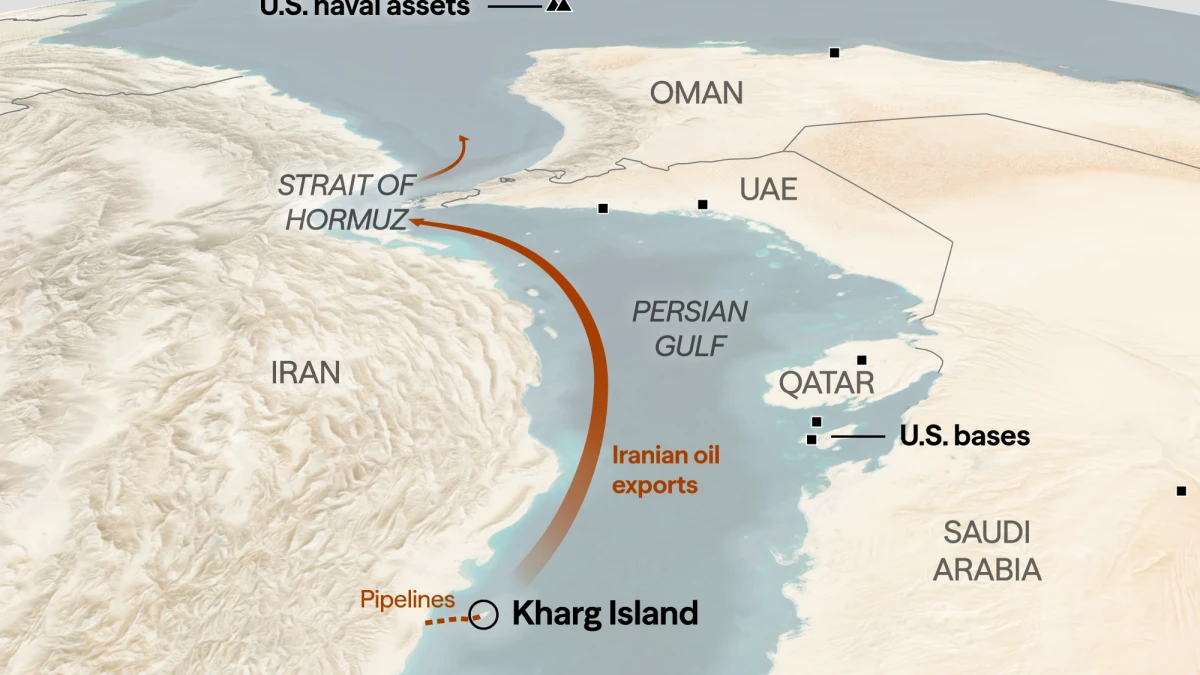
The Economic Ripple Effect: Domestic consumers are actively tying volatile energy prices and fluctuating market behaviors to the instability surrounding the Strait of Hormuz.
-
The Legislative Bypass: A growing segment of independents and moderate voters has expressed dissatisfaction with the administration's initial use of executive war powers without formal, extensive congressional debate.
The Looming Midterm Crunch
This sudden collapse in public support could not have come at a worse time for the White House. With control of both the House of Representatives and the Senate up for grabs in the fast-approaching fall elections, congressional Republicans are finding themselves forced to defend a deeply polarizing foreign policy on the campaign trail.
While traditional conservative stalwarts continue to support an uncompromising, maximum-pressure approach against Tehran, a notable faction of vulnerable, cross-district candidates is beginning to break away. Several lawmakers running in highly competitive purple states have quietly urged the administration to fast-track back-channel diplomatic negotiations, warning that an active war footing in November could cost the party its legislative majorities.
Navigating the Cross-Border Friction
To make matters more complicated for American diplomats, frontline operations have continued to move at an erratic, highly unpredictable pace. Despite parallel, quiet efforts by international mediators to patch together temporary operational standstills, localized friction along the blue line remains continuous.
The strategic reality on the ground continues to be defined by a delicate balance of risks:
-
The Surveillance Factor: Recent counterintelligence briefings have added structural friction to allied operations, revealing that negotiating transparency has been compromised by competing regional intelligence agencies looking to intercept internal US policy text.
-
Asymmetric Financial Costs: Military officials are also raising alarm over the sheer economic imbalance of the defensive campaign, pointing out that defending against low-cost, mass-produced drone incursions forces allied fleets to burn through incredibly expensive naval interceptor inventories at an unsustainable rate.
-
The Push for a Definitive Blueprint: With Washington's leverage tied up in maritime defense, both opposition leaders and allied defense ministers are demanding that the White House clearly define its long-term objectives.
For the Trump administration, the path forward is extraordinarily narrow. Pushing for an aggressive victory runs the risk of triggering a wider regional war that the American public clearly does not want, while pulling back without tangible concessions from Tehran would be framed by political opponents as a historical failure of American deterrence. As the 100-day milestone transitions into an uncertain summer, the White House is discovering that its biggest challenge may not be managing the tactical maneuvers in foreign capitals, but controlling the rapid political erosion occurring right under its feet.
What's Your Reaction?
 Like
0
Like
0
 Dislike
0
Dislike
0
 Love
0
Love
0
 Funny
0
Funny
0
 Wow
0
Wow
0
 Sad
0
Sad
0
 Angry
0
Angry
0







Comments (0)