
Breaking the Deadlock: Frederiksen Forges Record-Breaking Four-Party Coalition to Lead Denmark
Following a historic 69 days of intense multi-party negotiations, Denmark’s acting Prime Minister Mette Frederiksen has successfully pieced together a novel four-party minority government, marking the longest political standstill in the nation’s modern democratic history.

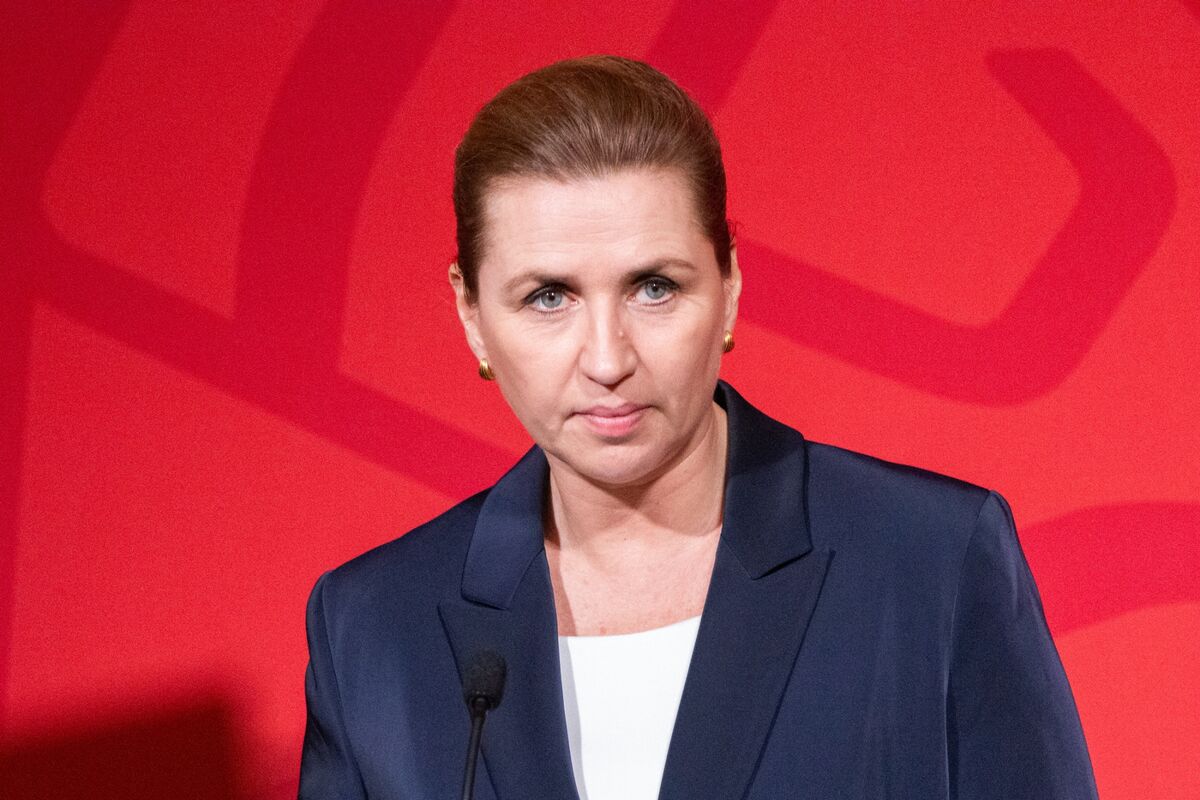
The longest political logjam in modern Danish history has finally broken. Nearly ten weeks after a highly fractured snap election left the Copenhagen parliament thoroughly splintered, Caretaker Prime Minister Mette Frederiksen announced she has successfully assembled a novel four-party minority government.
The grueling coalition-building process lasted an unprecedented 69 days, comfortably breaking previous records to become the longest political negotiation window Denmark has witnessed in modern times. Frederiksen formally concluded the gridlock by visiting King Frederik X on the royal yacht Dannebrog to inform the monarch that a functional governing alliance was ready to take the reins.
The Anatomy of the New Alliance
The newly forged minority coalition marks a distinct shift to the left for Frederiksen, who spent the last few years steering a fragile, highly scrutinized cross-bloc alliance. To achieve her historic third consecutive term as prime minister, the 48-year-old Social Democrat leader had to pull off a complex balancing act, uniting traditional left-wing groups with centrist factions.
The four-party executive team consists of the following political entities:
-
The Social Democrats: Led by Frederiksen, they remain the largest force in parliament despite logging their weakest ballot box performance since 1903.
-
The Green Left (Socialist People's Party): Bringing an aggressive environmental and social spending agenda to the cabinet table.
-
The Social Liberals (Radikale Venstre): Historically influential kingmakers focused on education and progressive integration policies.
-
The Moderates: Anchored by former Prime Minister and foreign minister Lars Løkke Rasmussen, serving as the centrist anchor of the alliance.
Together, the four coalition partners control 82 of the 179 seats in the Folketing, meaning they will rely primarily on the far-left Red-Green Alliance to cross the 90-seat threshold required to pass major legislative overhauls.
A Brutal Gauntlet to the Finish Line
The extraordinary 69-day timeline reflects just how hostile the post-election landscape had become. Following the March 24 election, neither the traditional left-wing nor right-wing blocs commanded a clear path to power.
The process descended into a chaotic political gauntlet. An initial attempt by Frederiksen to form a centrist government collapsed due to irreconcilable differences over a proposed wealth tax and pesticide bans. The mandate was then handed to the right-wing opposition under liberal Venstre leader Troels Lund Poulsen. However, that effort was swiftly scuppered when Lars Løkke Rasmussen’s Moderates refused to back a conservative-populist platform, forcing the King to reappoint Frederiksen for a final, desperate try.
"This has been incredibly difficult, and the parties are deeply divided on core issues," noted a leading Copenhagen-based public affairs analyst. "While Frederiksen has shown remarkable political survival instincts to secure a third term, the immense friction generated over the last ten weeks suggests this government will face a highly volatile path to serving out its full tenure."
High-Stakes Demands on the Horizon
With the ministerial portfolios scheduled for a full public presentation, the incoming government faces an immediate pile of pressing national issues. Domestically, the alliance has promised a heavy focus on the rising cost of living, education reform, and highly anticipated welfare adjustments. In a nod to shifting public priorities, Frederiksen explicitly noted that the new policy framework would emphasize animal rights, targeting reforms within the nation's massive commercial pig farming sector.
On the international stage, the cabinet must immediately manage a delicate, high-stakes geopolitical standoff regarding Greenland. Copenhagen is currently deep in tense, behind-closed-doors negotiations with Washington over U.S. pressure to establish new military installations on the mineral-rich Arctic island—a demand that both Danish and Greenlandic leaders have firmly resisted while attempting to maintain structural stability within NATO.
"We live in one of the world's best democracies," Frederiksen told reporters as she finalized the paperwork. "If we, as political leaders, weren't able to manage this task despite a splintered parliament, then I don't really know what the Danish people could expect of us." Now, with the ink dry on a historic, record-breaking compromise, the real test begins to see if this hard-fought alliance can actually govern.
What's Your Reaction?
 Like
0
Like
0
 Dislike
0
Dislike
0
 Love
0
Love
0
 Funny
0
Funny
0
 Wow
0
Wow
0
 Sad
0
Sad
0
 Angry
0
Angry
0









Comments (0)