
Under Fire: Marco Rubio Faces Intense Bipartisan Grilling on Capitol Hill Over Unsteady Iran Ceasefire
Appearing before back-to-back congressional committees for the State Department's annual budget review, U.S. Secretary of State Marco Rubio faced an onslaught of sharp questions regarding the stability and future of the fragile diplomatic channels between Washington and Tehran.

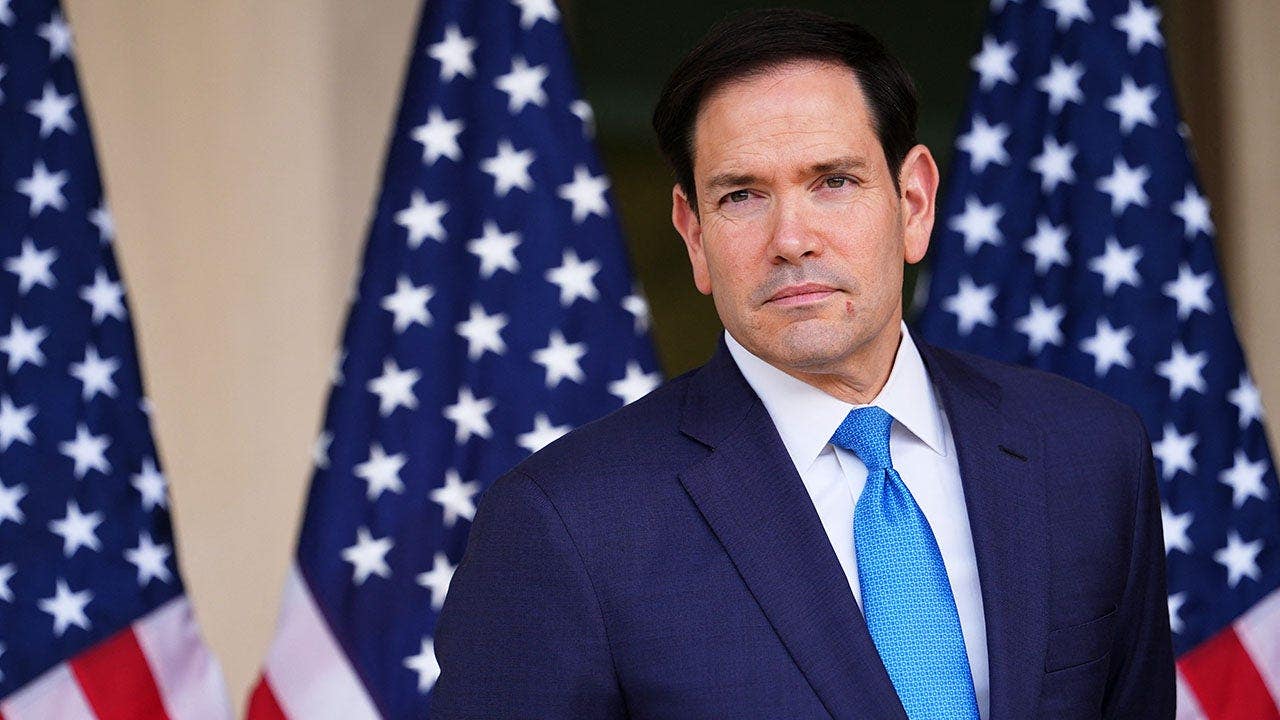
The fiscal defense of the State Department's annual budget request has rapidly transformed into a high-stakes legislative interrogation over American foreign policy. Appearing publicly before lawmakers on Capitol Hill for the first time since the outbreak of active hostilities with Iran, Secretary of State Marco Rubio walked into a buzzsaw of bipartisan skepticism.
Nominally scheduled to defend the administration’s nearly $36 billion agency budget, Rubio spent his back-to-back appearances before the Senate Foreign Relations Committee and a vital House Appropriations subcommittee navigating intense scrutiny. Lawmakers from both sides of the aisle repeatedly sidelined balance-sheet adjustments to focus entirely on the volatile, fraying nature of the ongoing ceasefire diplomacy between Washington and Tehran.
A Fragile Peace Put to the Test
The underlying tension dominating the hearings is the highly precarious nature of the current regional pause. While parallel diplomatic tracks are being managed by top aides to construct longer-term security parameters, recent back-and-forth cross-border attacks have pushed the informal agreement to its absolute limit.
Members of Congress pressed the Secretary of State on several compounding diplomatic vulnerabilities:
-
Shifting Administration Goals: Committee members expressed deep frustration over what they described as a lack of operational clarity from the executive branch, arguing that fluid strategic objectives make it nearly impossible to lock down a permanent diplomatic framework with Tehran.
-
The Lebanese Complication: Lawmakers raised serious red lines regarding parallel escalations in neighboring Lebanon, noting that intense regional combat maneuvers risk prompting key Middle Eastern delegations to walk away from the U.S.-led negotiating table entirely.
-
Lack of Formal Legislative Consultation: Democratic members renewed their fierce objections over the administration's initial bypass of formal congressional war powers authorization when hostilities began earlier this year.
Fracturing Support and Fiscal Fatigue
While Secretary Rubio spent years on Capitol Hill as a prominent Republican senator, his former colleagues did not afford him an easy ride. While conservative lawmakers largely support taking a firm, uncompromising stance against one of America’s oldest geopolitical adversaries, a small but increasingly vocal faction of rank-and-file Republicans has broken ranks.
With crucial midterm elections approaching in the fall, fiscal conservatives joined opposition colleagues in openly questioning the astronomical price tag and broader macroeconomic consequences of a prolonged military standoff in West Asia. Rubio forcefully pushed back against these concerns, arguing that abandoning the diplomatic pipeline now or scaling back the State Department's stabilization budget would create a dangerous security vacuum that regional adversaries would instantly exploit.
The Grilling Continues
The Secretary of State's grueling legislative gauntlet is far from over. Following Tuesday's high-visibility panels, Rubio is scheduled to return to the Hill on Wednesday for subsequent rounds of testimony before the House Foreign Affairs Committee and the Senate Appropriations subcommittee on the State Department.
As regional intelligence reports indicate that the window to formalize a stable, 60-day regional ceasefire accord is closing fast, the pressure on America's top diplomat has reached an absolute fever pitch. For Rubio, the marathon hearings serve as a stark reminder that the administration's biggest challenge isn't just navigating the deep ideological distrust in foreign capitals, but maintaining a viable political consensus right here at home.
What's Your Reaction?
 Like
0
Like
0
 Dislike
0
Dislike
0
 Love
0
Love
0
 Funny
0
Funny
0
 Wow
0
Wow
0
 Sad
0
Sad
0
 Angry
0
Angry
0













Comments (0)