
Managing the Frontier: The Strategic Stakes of Myanmar’s State Visit to India
Facing parallel crises of cross-border insurgency and economic stagnation, New Delhi and Nay Pyi Taw initiate high-level operational talks to fortify shared borders and jumpstart vital regional transport corridors.

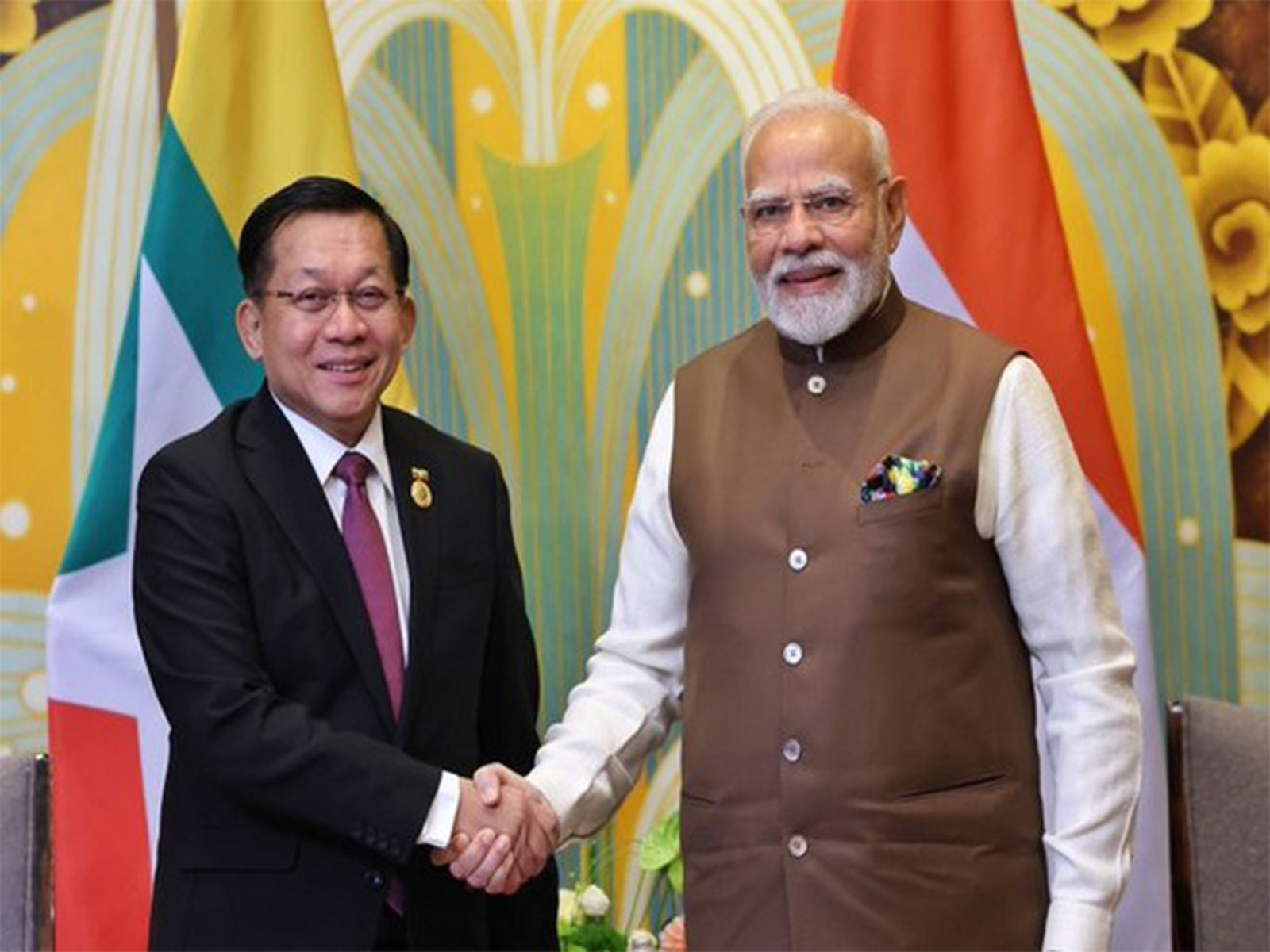
The land border connecting northeast India with western Myanmar has long been one of the most geopolitically sensitive corridors in South Asia. For years, the fluid security situation inside Myanmar has presented New Delhi with a complex balancing act, forcing Indian policymakers to balance democratic ideals against hard regional security realities. This delicate relationship is moving into an active phase as Myanmar’s newly positioned President, U Min Aung Hlaing, arrives in India for a high-profile, five-day official state visit at the direct invitation of Prime Minister Narendra Modi.
The visit highlights a mutual recognition that the current status quo along their shared 1,600-kilometer border has become unsustainable for both nations. For India, the primary driver behind this direct bilateral engagement is a series of escalating vulnerabilities threatening its domestic security architecture. Indian security agencies have raised sharp alarms over the growing footprint of anti-India insurgent factions operating with relative impunity out of Myanmar’s Sagaing region. These rebel groups have increasingly used the cover of Myanmar’s internal conflicts to coordinate cross-border raids, traffic weapons, and disrupt local stability in Indian border states like Manipur and Mizoram. By opening a direct operational dialogue with Nay Pyi Taw, New Delhi is looking to lock down definitive counter-insurgency commitments and establish a tighter, synchronized border management framework.
Simultaneously, the geopolitical calculus extends deeply into the realm of infrastructure and regional connectivity. Myanmar forms the geographical linchpin of India’s signature "Neighbourhood First" and "Act East" maritime and terrestrial policies—serving as New Delhi's sole land bridge into the broader ASEAN marketplace. However, the volatile security environment has brought multi-million-dollar Indian connectivity projects to a grinding halt. Chief among these is the strategic India-Myanmar-Thailand Trilateral Highway, alongside the Kaladan Multimodal Transit Transport Project, both of which have faced continuous delays due to fighting near key transit routes. This state visit serves as an essential mechanism to negotiate localized security guarantees for these construction zones, with both sides eager to formalize transit protections that can insulate critical commercial infrastructure from regional disruptions.
On the economic front, the high-level delegation accompanying the Myanmar leadership—which includes senior cabinet ministers and prominent business executives—points to an aggressive push to jumpstart stalled commercial ties. Scheduled bilateral forums in New Delhi and industrial interactions in Mumbai are aimed at diversifying trade structures away from basic agricultural exchanges and pushing into manufacturing, energy, and digital banking integration. Yet, this economic re-engagement is playing out against a highly charged diplomatic backdrop. The visit has drawn fierce condemnation from Myanmar's exiled opposition networks, who argue that hosting the administration grants undue political legitimacy to a government that overthrew democratic rule.
Ultimately, this high-stakes engagement demonstrates the cold pragmatism that increasingly rules modern global affairs. While the international community remains deeply divided over Myanmar's internal governance, India’s immediate geopolitical requirements—specifically securing its restive northeastern frontier and keeping its trade routes to Southeast Asia viable—have made direct, high-level engagement an absolute necessity. The operational frameworks hammered out during this five-day summit will not only test the resilience of India's border defenses but will largely dictate the pace of economic integration across the wider sub-continent for years to come.
What's Your Reaction?
 Like
0
Like
0
 Dislike
0
Dislike
0
 Love
0
Love
0
 Funny
0
Funny
0
 Wow
0
Wow
0
 Sad
0
Sad
0
 Angry
0
Angry
0








Comments (0)