
The Caucasus Fracture: Moscow Recalls Envoy as Armenia Accelerates Its European Pivot
In a stark escalation of diplomatic friction, Russia has abruptly summoned its ambassador to Armenia, Sergey Kopyrkin, back to Moscow. The move comes as a direct protest against Yerevan's deepening integration with the European Union and arrives just days before crucial regional elections.

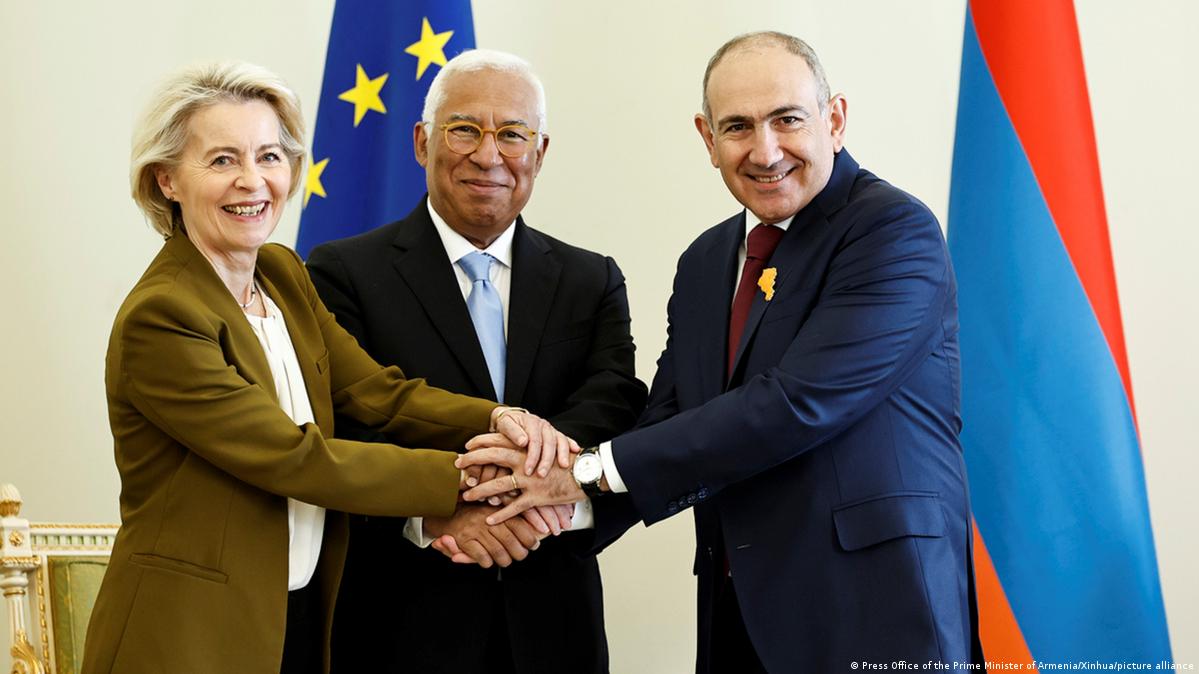
The post-Soviet security architecture in the South Caucasus is undergoing a profound and highly volatile reconfiguration. Signalling a deep rift in a traditionally ironclad alliance, the Russian Foreign Ministry announced the immediate recall of its ambassador to Armenia, Sergey Kopyrkin, summoning him back to Moscow for urgent consultations.
The Kremlin's official narrative ties the diplomat's abrupt withdrawal to recent legislative and foreign policy steps taken by Yerevan, which Moscow claims are directly undermining regional cooperation. However, international observers view the diplomatic escalation as a severe, calculated warning to Prime Minister Nikol Pashinyan’s government, arriving precisely as the country prepares for highly contested regional elections scheduled for June 7.
The Trigger Points of the Diplomatic Fallout
The baseline driver of the current friction is Armenia's intentional diversification of its strategic partnerships. Frustrated by what Yerevan perceives as Russia’s failure to guarantee its territorial sovereignty during recent military conflicts with neighboring Azerbaijan, the Pashinyan administration has systematically cooled its ties with Moscow while pivoting toward Western institutions.
The immediate geopolitical triggers compounding this breakdown include:
-
The EU Rapprochement Framework: Moscow explicitly stated that Ambassador Kopyrkin was recalled due to deliberate steps by the Armenian leadership to seek integration with the European Union, a move Russia treats as a direct encroachment into its traditional sphere of influence.
-
Economic Retaliation Vectors: Ahead of the political recall, Russia enacted a series of aggressive trade restrictions, including banning several major Armenian fruit and vegetable imports and blocking the sale of over 64 million bottles of Armenian mineral water under the guise of health and safety violations.
-
The Referendum Ultimatum: Leaders from the Russian-led Eurasian Economic Union (EAEU)—including Belarus, Kazakhstan, and Kyrgyzstan—issued a joint declaration demanding that Armenia hold a nationwide referendum to force citizens to choose between Western integration or remaining within the post-Soviet economic bloc.
Election Pressures and Western Backing
The timing of the diplomatic recall is explicitly calibrated to maximize domestic political pressure inside Armenia. The country's upcoming June 7 election is widely viewed as a critical referendum on the nation's civilizational trajectory.
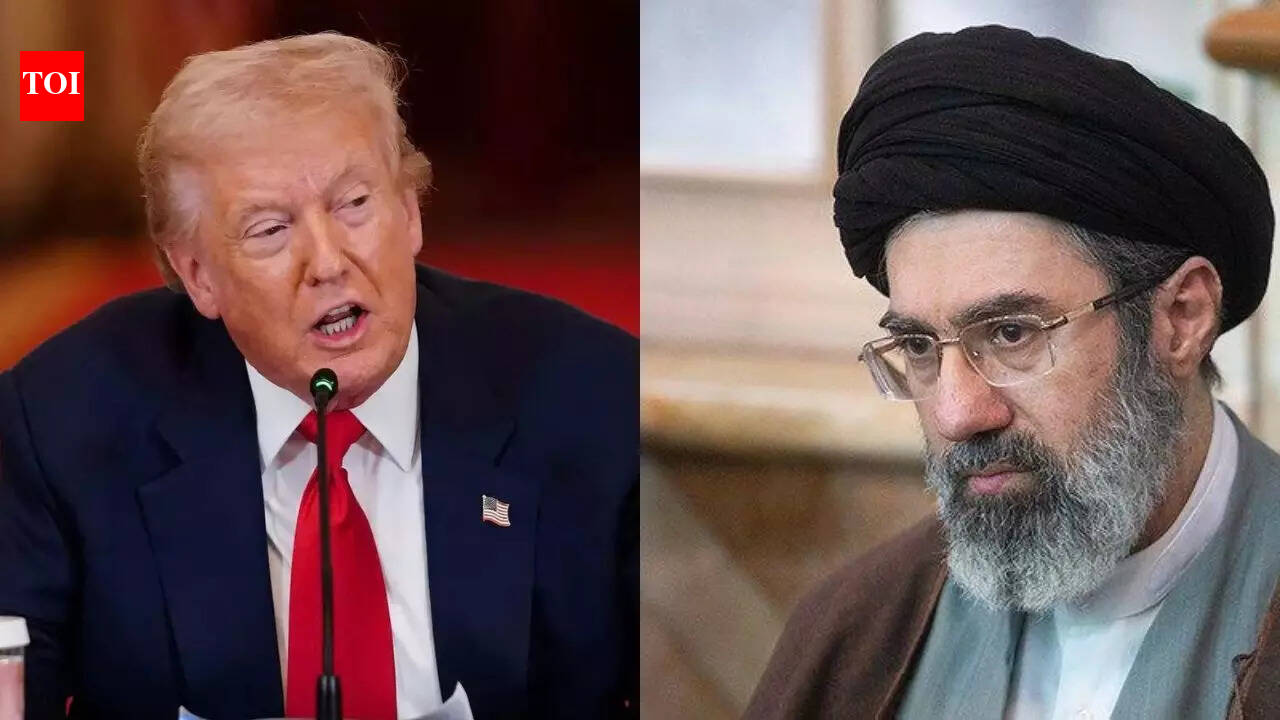
Opinion polls currently show Prime Minister Pashinyan's pro-Western party maintaining a lead over the fractured, pro-Russian opposition groups. The domestic political landscape has been further complicated by explicit international endorsements, with U.S. President Donald Trump recently offering public support for Pashinyan's governance model, which originally took root during the country's 2018 velvet revolution.
Reconfiguring Regional Alliances
The fracturing of the Moscow-Yerevan axis is fundamentally shifting the security balances of the South Caucasus. For decades, Armenia hosted the Russian 102nd Military Base in Gyumri as a vital shield against external threats. Today, that security dependency is collapsing. Yerevan has already frozen its participation in the Russian-led Collective Security Treaty Organization (CSTO) and signed a comprehensive strategic partnership charter with the United States to modernize its defense capabilities.
As Ambassador Kopyrkin returns to Moscow, the immediate outlook for the region depends entirely on the stability of the upcoming vote. The Kremlin has warned that pursuing full EU integration will carry heavy economic and financial penalties for Armenia, while Western capitals are racing to construct alternative economic pipelines to absorb the shock of a permanent break with Russia. What is certain is that the diplomatic gray zone Armenia once occupied is disappearing, forcing the small nation to navigate its survival on the frontlines of a broader global standoff.
What's Your Reaction?
 Like
0
Like
0
 Dislike
0
Dislike
0
 Love
0
Love
0
 Funny
0
Funny
0
 Wow
0
Wow
0
 Sad
0
Sad
0
 Angry
0
Angry
0






Comments (0)