
Egypt and China Pledging Deeper Trade Ties at 70-Year Diplomatic Milestone
seven decades of formal bilateral relations, Cairo and Beijing have issued a joint diplomatic commitment to aggressively scale their comprehensive strategic partnership, focusing heavily on integrating Suez Canal logistics with China’s expanding Belt and Road maritime network.

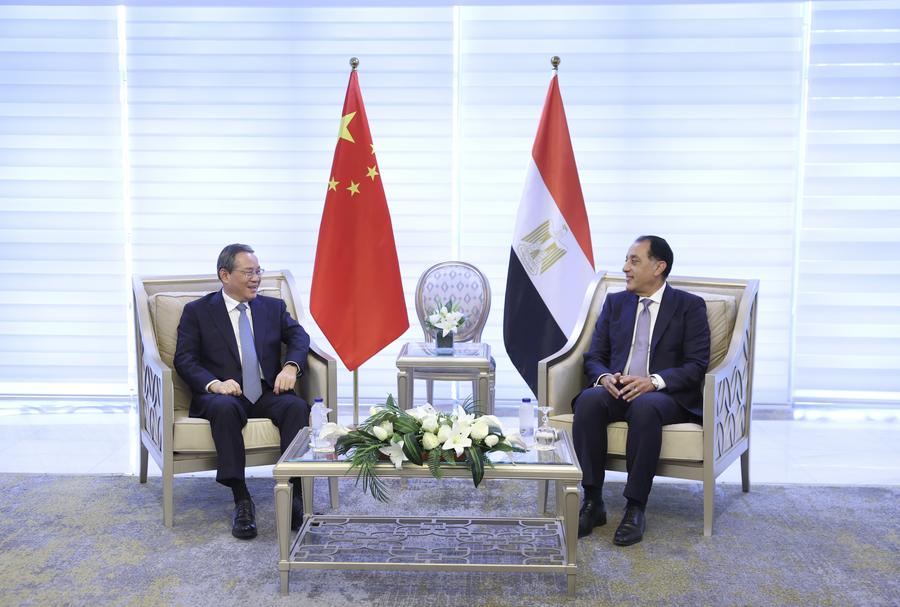
Bilateral diplomacy in the modern era is increasingly measured by concrete infrastructure networks and industrial integration rather than just symbolic handshakes. Marking a major historical milestone, the Egyptian Ministry of Foreign Affairs issued a comprehensive statement celebrating the 70th anniversary of the establishment of diplomatic ties between Cairo and Beijing. Far from a routine historical lookback, the diplomatic declaration outlines an aggressive, forward-looking strategy to expand their long-term comprehensive strategic partnership, positioning Egypt as the ultimate logistical pivot for Chinese trade crossing into Africa and Europe.
The partnership holds deep historical weight. In 1956, Egypt became the first Arab and African nation to officially recognize the People’s Republic of China. Over the past seventy years, that initial political handshake has evolved into a massive economic alliance, anchored in recent years by the close relationship between Egyptian President Abdel Fattah el-Sisi and Chinese President Xi Jinping. Today's anniversary statement serves notice that both capitals view their economic fates as deeply interconnected in a fracturing global trade environment.
Accelerating the Trade Corridor Architecture
The practical centerpiece of the renewed alignment is the physical synchronization of Egypt’s domestic infrastructure projects with China’s sweeping Belt and Road Initiative. Cairo is actively seeking to leverage its unique geographic advantage to capture a larger share of Chinese manufacturing supply chains.
The economic expansion is moving forward across several priority sectors:
-
Suez Canal Economic Zone Expansion: Beijing has committed fresh capital to scale up the TEDA-Egypt Economic and Trade Cooperation Zone near Ain Sokhna. The hub has already attracted dozens of Chinese enterprises specializing in heavy industry, fiberglass production, and renewable energy equipment.
-
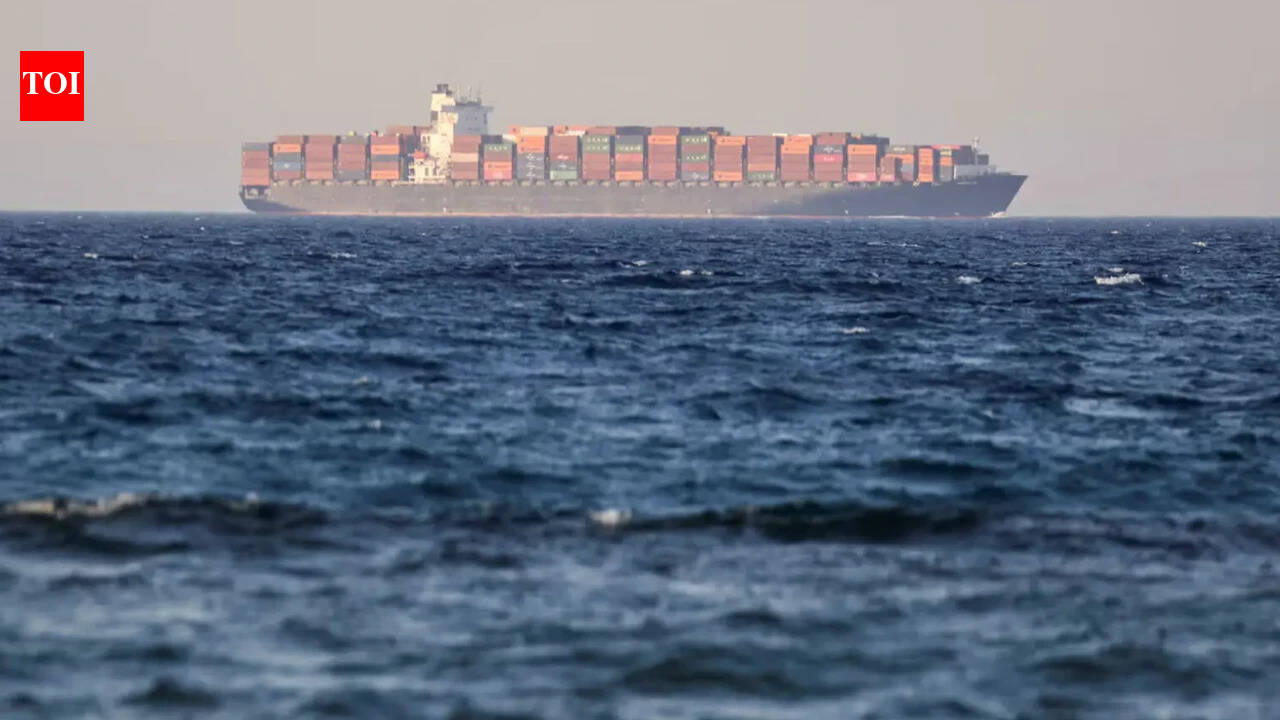
Critical Logistics and Freight Networks: Plans are being finalized to upgrade maritime port infrastructure along the Mediterranean and Red Sea coastlines, establishing automated container terminals capable of handling the next generation of ultra-large Chinese cargo ships.
-
The New Administrative Capital Blueprint: Chinese state construction firms, which have already built the iconic Central Business District and its centerpiece Iconic Tower in Egypt's new capital, are negotiating secondary phase contracts for administrative and tech-infrastructure development.
Navigating Macroeconomic Realities
For Egypt, doubling down on its partnership with Beijing is a calculated move designed to navigate severe domestic macroeconomic pressures. Facing persistent foreign currency shortages and high inflation, Cairo views Chinese direct investment as a vital engine for job creation and industrial localization. By manufacturing Chinese goods locally inside the Suez Canal corridor, Egypt can export these products tariff-free into European and African markets via existing free trade agreements.
On the other side of the ledger, Beijing views Egypt as a vital, stabilizing anchor in a volatile Middle East and North Africa region. Securing unhindered, safe transit through the Suez Canal remains a non-negotiable priority for China’s export-driven economy, especially as alternative maritime routes face ongoing geopolitical disruptions.
Looking Toward the Next Decade
The road map detailed by the Ministry of Foreign Affairs highlights that the next phase of Egypt-China relations will move beyond basic construction and real estate into advanced technical cooperation. Early working groups are already being established to coordinate on digital currency integration, localized semiconductor packaging, and joint aerospace research.
As global supply chains continue to reorganize around regional hubs, the Cairo-Beijing axis is solidifying into one of the most consequential economic alliances in the global south. By binding the Suez Canal’s logistical power to China's industrial output, both nations are actively rewriting the rules of cross-regional commerce for the decades to come.
What's Your Reaction?
 Like
0
Like
0
 Dislike
0
Dislike
0
 Love
0
Love
0
 Funny
0
Funny
0
 Wow
0
Wow
0
 Sad
0
Sad
0
 Angry
0
Angry
0










Comments (0)