
The Boy King of the Powerplay: Deconstructing Vaibhav Sooryavanshi’s Qualifier 2 Masterclass
At just 15 years old, Vaibhav Sooryavanshi continues to rewrite the T20 batting manual, dismantling the Gujarat Titans in the IPL 2026 Qualifier 2 with a fierce 96 runs off 47 deliveries.


There is an ongoing debate in modern cricket about whether extreme aggression can be sustained across high-pressure knockout fixtures without compromising structural stability. In the high-stakes arena of the IPL 2026 Qualifier 2 at Mullanpur, 15-year-old batting prodigy Vaibhav Sooryavanshi answered that question decisively. Just 48 hours after shattering records with a 29-ball 97 in the Eliminator against Sunrisers Hyderabad, the left-handed opening sensation walked out against the Gujarat Titans and delivered another tactical masterpiece.
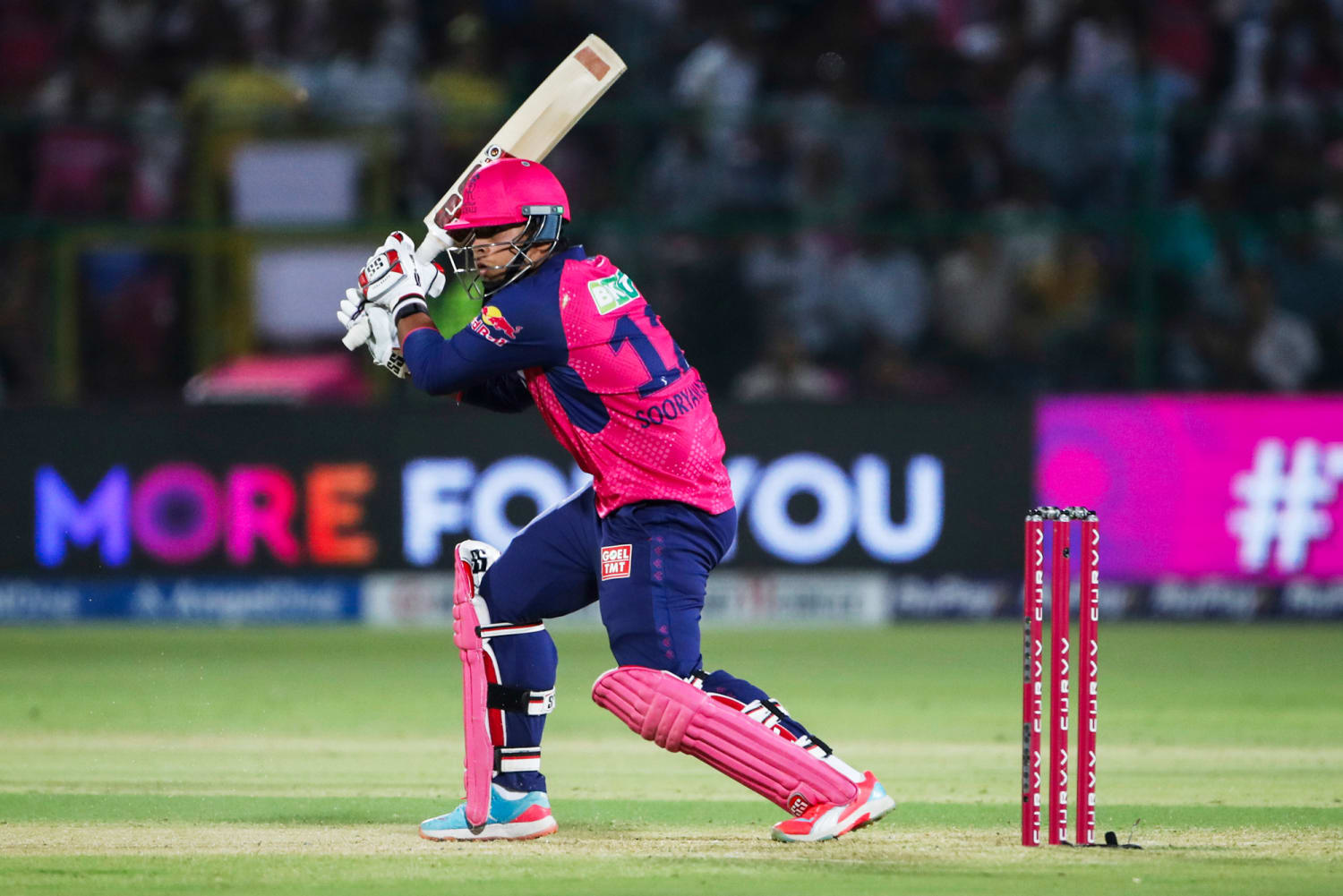
Before a ball was even bowled, the evening started with rare pre-match drama—a double coin toss triggered by ambient stadium noise muffling the initial captain's calls. Once the coin landed in favor of the Rajasthan Royals, the tactical operational mandate shifted squarely onto Sooryavanshi's shoulders. What followed was a highly clinical, technically sound 96 runs off 47 balls that guided Rajasthan through early top-order tremors and set a commanding platform.
Slicing Open the Powerplay: The Metric Breakdown
Coming into the contest, Gujarat's premier fast-bowling duo of Mohammed Siraj and Kagiso Rabada carried specific structural plans to exploit the teenager’s early footwork. According to historical Cricinfo tracking arrays, Sooryavanshi had historically dominated both pacers in limited exchanges, and today was no exception. Despite seeing early wickets tumble at the other end, the young opener systematically altered his pacing, balancing raw vertical boundary hitting with precision field manipulation.
The baseline mathematical footprints of his innings emphasize his growing maturity:
-
Total Volume Integration: 96 runs accumulated off 47 deliveries, translating to a fierce scoring efficiency strike rate of 204.26.
-
Boundary Geometry Matrix: Smashed 8 crisp, ground-level fours and cleared the architectural perimeter for 7 massive sixes.
-
Accelerated Stability: Reached his highly calculated half-century in just 31 deliveries, single-handedly preventing a Powerplay collapse after early strikes left RR vulnerable.
                     [ SOORYAVANSHI INNINGS PHASE VECTOR ]
                                       │
        ┌──────────────────────────────┴──────────────────────────────┐
        ▼                                                             ▼
[ POWERPLAY ISOLATION ]                                      [ MIDDLE-OVER ANCHORING ]
* 31-Ball Half-Century Baseline                             * 45-Ball Structural Blueprint
* High-velocity counter against pace                         * Tactical strike-rotation with Jadeja
* Exploited vacant infield zones                             * Neutralized deep spin defensive traps
The Evolution of Technical Maturity
What makes this performance stand out from a pure analytical perspective is how it completely subverted his traditional batting profile. In the historical data files—ranging from his record-breaking 175 off 80 balls in the Under-19 World Cup Final against England to his rapid century against the Titans last season—Sooryavanshi has primarily been viewed as a high-velocity, short-stint baseline hitter.
Today, however, the young prodigy demonstrated an elite ability to read game states. Recognizing that the Mullanpur pitch required extended vertical application rather than blind hitting, he forged a massive, disciplined partnership with veteran all-rounder Ravindra Jadeja. Instead of attempting to hit every single ball out of the venue, he actively worked the gaps against GT’s middle-over spin squeeze, keeping the scoreboard moving at a steady 9.78 runs per over without sacrificing his wicket prematurely.
Macroeconomic Implications for the Grand Final
Though he ultimately fell agonizingly short of a century by a mere four runs, Sooryavanshi’s departure for 96 left an indelible mark on the tournament structure. The performance officially solidifies his claim on the Orange Cap and marks the highest single-season run accumulation by an uncapped asset in the history of the Indian Premier League.
More importantly, it provides the Rajasthan Royals with an invaluable tactical blueprint heading toward the championship finale. By proving that their teenage centerpiece can anchor an innings under severe knockout pressure—rather than just executing early Powerplay cameos—Rajasthan has unlocked a complete offensive architecture. As the squad prepares to book its flight for the ultimate showdown against Royal Challengers Bengaluru, opponents can no longer treat Sooryavanshi as a momentary storm to be weathered; he is now a multi-phase anchor capable of commanding an entire T20 landscape.
What's Your Reaction?
 Like
0
Like
0
 Dislike
0
Dislike
0
 Love
0
Love
0
 Funny
0
Funny
0
 Wow
0
Wow
0
 Sad
0
Sad
0
 Angry
0
Angry
0










Comments (0)