
The New Oil Order: How Non-OPEC Giants Are Flipping the Script
Explore how surging oil production from the US, Brazil, and Guyana is breaking OPEC's grip and rewriting global energy trade rules in 2026.


Think back to the 1970s or even the early 2000s. Back then, if OPEC sneezed, the global economy caught a cold. The narrative was simple: a handful of nations controlled the taps, and if they decided to tighten the flow, prices at the pump skyrocketed almost instantly. Fast forward to 2026, and that old-school playbook is looking more like a relic of the past. We are currently witnessing what experts are calling 'The New Oil Order,' a massive structural shift where the power is moving away from centralized cartels and toward a decentralized group of giants in the Americas. It is a quiet revolution, but the noise it’s making in the markets is deafening for those who know where to listen.
It is not just one thing—it is a perfect storm of technology, massive capital investment, and sheer industrial willpower. While traditional energy alliances are still trying to play the game by the old rules of supply management, surging production from the United States, Brazil, and Guyana is fundamentally challenging everything we thought we knew about global oil prices. It is a fascinating time to be watching the markets, and if you are an investor or just someone who cares about the global economy, you need to understand how these non-OPEC+ players are flipping the script and creating a more fragmented, yet oddly resilient, marketplace.
The Unstoppable Efficiency of American Shale
Let’s talk about the 800-pound gorilla in the room: American shale. For years, skeptics argued that the shale revolution would eventually run out of steam. They predicted that the 'sweet spots' would be tapped out and that higher interest rates would kill off the capital-intensive drilling projects required to keep the oil flowing. By 2026, those skeptics have been proven largely wrong. US operators have reached a level of efficiency that was practically science fiction a decade ago. We are now seeing the widespread implementation of AI-driven drilling, 'super-lateral' wells that stretch for miles underground, and electric fracking fleets that have slashed operational costs.
The US isn't just a 'swing producer' anymore; it is the structural foundation of the global market. Because these operators are private companies driven by shareholder profit rather than state-run entities driven by political agendas, they react with incredible speed. When prices are high, they pump. This constant, high-volume flow acts as a massive dampener on OPEC's attempts to prop up prices through artificial scarcity. Every time the cartel announces a strategic cut to 'stabilize' the market, American producers seem to find another few hundred thousand barrels a day to fill the gap. It is a game of whack-a-mole that the traditional cartel is increasingly finding impossible to win without sacrificing its own long-term relevance.
South America’s Deepwater Powerhouses
While the US shale patch gets most of the headlines, the real story of 2026 might actually be happening further south. Brazil and Guyana have emerged as the twin engines of non-OPEC growth, providing a type of 'baseload' crude that is very different from the light, sweet oil found in Texas. Brazil has been a steady climber for years, thanks to its massive pre-salt deepwater reserves. These are giant, high-quality fields buried deep under the ocean floor, and the production levels coming out of there today are nothing short of staggering. Brazil has successfully navigated the complexities of balancing state-run management with private investment to become a top-tier global exporter that simply doesn't feel the need to follow the OPEC beat.
Then there is Guyana. If you haven’t been following the Guyana story, you’ve been missing the fastest oil development in human history. This small nation has gone from zero production to being a global heavyweight in record time. The offshore discoveries there are high-quality and, perhaps more importantly, incredibly profitable even at lower price points. Because these projects involve massive upfront costs but relatively low operating costs once the platforms are in place, they don't stop for anyone. Guyana needs to monetize its resources to build its national infrastructure, which means the oil keeps flowing regardless of what is being discussed behind closed doors in Vienna. This 'production at all costs' mentality is a nightmare for those trying to maintain a high price floor.
The Dilemma Facing the Traditional Cartel
This brings us to the impossible choice facing OPEC and its allies. For decades, the group had a simple lever: cut supply to raise prices. But in the current landscape, that lever feels like it has been disconnected from the machine. If the cartel cuts production to boost the price per barrel, they aren't just helping their own budgets; they are handing a massive gift to their competitors in the Americas. High prices make it even more profitable for a driller in the Permian Basin or a deepwater platform in the Atlantic to expand operations. The cartel is stuck between a rock and a hard place: they can either lose market share by cutting, or they can flood the market to kill off the competition, risking a price collapse that would devastate their own economies.
This fragmentation has led to visible friction within the OPEC+ alliance. Smaller members are looking at the massive production numbers coming from non-members and wondering why they should be the ones to sacrifice their national income. We are seeing a shift toward a more volatile, less predictable environment where 'unified fronts' are replaced by individual national interests. For the global consumer, this is generally good news—it means the era of a single group holding the world’s energy security hostage is effectively over.
The Death of the Geopolitical Fear Premium
One of the most profound changes in this new oil order is how the market reacts to global conflict. In the past, any whisper of tension in the Middle East or Eastern Europe would send oil prices up by 10% or 20% overnight. There was a permanent 'fear premium' baked into every barrel of crude. But in 2026, that premium has structurally softened. The market now knows there is a massive supply cushion sitting in the Western Hemisphere. If supply is disrupted in one part of the world, there are now multiple other regions ready and able to pick up the slack almost immediately.
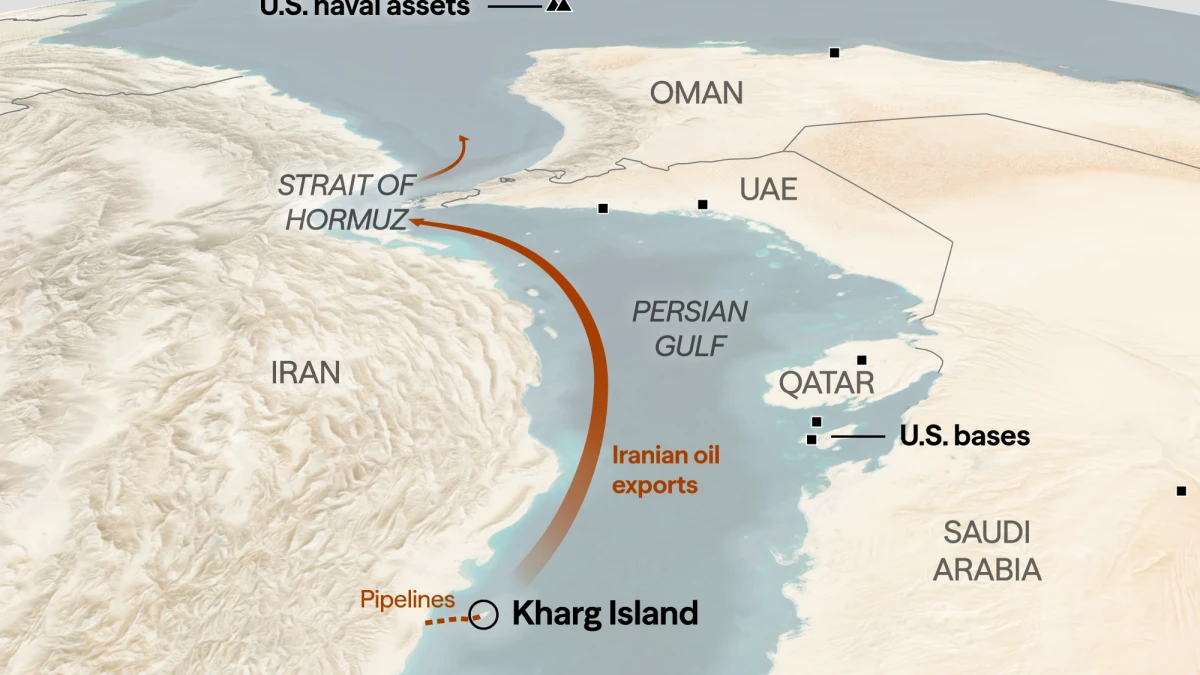
This doesn't mean the market is immune to shocks, but it does mean the shocks are shorter-lived and less intense. Traders are looking at the data and seeing that the world is no longer dependent on a single transit point like the Strait of Hormuz. This diversification of supply is essentially a massive insurance policy for the global economy. It has created a buffer that allows the world to navigate geopolitical storms without the immediate threat of an energy-induced recession. Energy security is no longer about who has the most oil, but who has the most diverse set of suppliers.
Rewriting the Global Trade Map
As the sources of oil change, so do the physical paths it takes to get to the consumer. We are seeing a total redesign of global trade routes. Historically, oil flowed primarily from the Middle East to the industrialized West. Now, with the Americas producing more than enough for their own needs, that flow has reversed. A massive amount of Atlantic-basin crude—from the US, Brazil, and Guyana—is now heading toward the massive refining hubs in Asia. This is creating a logistical shift that is keeping the shipping industry on its toes.
Tankers are now taking longer, more complex voyages. Instead of short hops, we are seeing massive carriers making the long trek around the southern tips of Africa and South America to avoid congested or risky chokepoints. This increased 'ton-mile' demand means that the cost of moving oil is becoming a bigger factor in the final price of gasoline and jet fuel. In this new order, geography and logistics are just as important as the actual drilling. The winners in this market are the ones who can not only pump the oil but move it efficiently across a fragmented global map.
The Bottom Line for the Future
So, where does this leave us as we look toward the end of the decade? The new oil order is defined by technological efficiency, logistical adaptability, and a move away from centralized control. The market is no longer a monopoly; it is a hyper-competitive, globalized arena where the lowest-cost and most efficient producers win. For investors, the old strategy of simply watching OPEC meeting outcomes is officially dead. You now have to look at rig counts in New Mexico, FPSO schedules in the Stabroek block off Guyana, and infrastructure developments in Brazilian ports.
The energy world has become more complex, but it has also become more resilient. By diversifying where our energy comes from, we have created a system that is much harder to manipulate and much better at absorbing the inevitable shocks of global politics. The giants of the Americas have arrived, they have the technology to stay, and they are not interested in following the old rules. The energy landscape has changed forever, and there is no going back to the way things were.
What's Your Reaction?
 Like
0
Like
0
 Dislike
0
Dislike
0
 Love
0
Love
0
 Funny
0
Funny
0
 Wow
0
Wow
0
 Sad
0
Sad
0
 Angry
0
Angry
0









Comments (0)