
Under Review: Washington Weighs a 60-Day Blueprint to Unblock Global Trade
Intense speculation surrounds the US administration as final approvals are considered for a comprehensive 60-day diplomatic framework designed to defuse maritime hostilities, reopen critical energy chokepoints, and secure vital raw commodity lines.

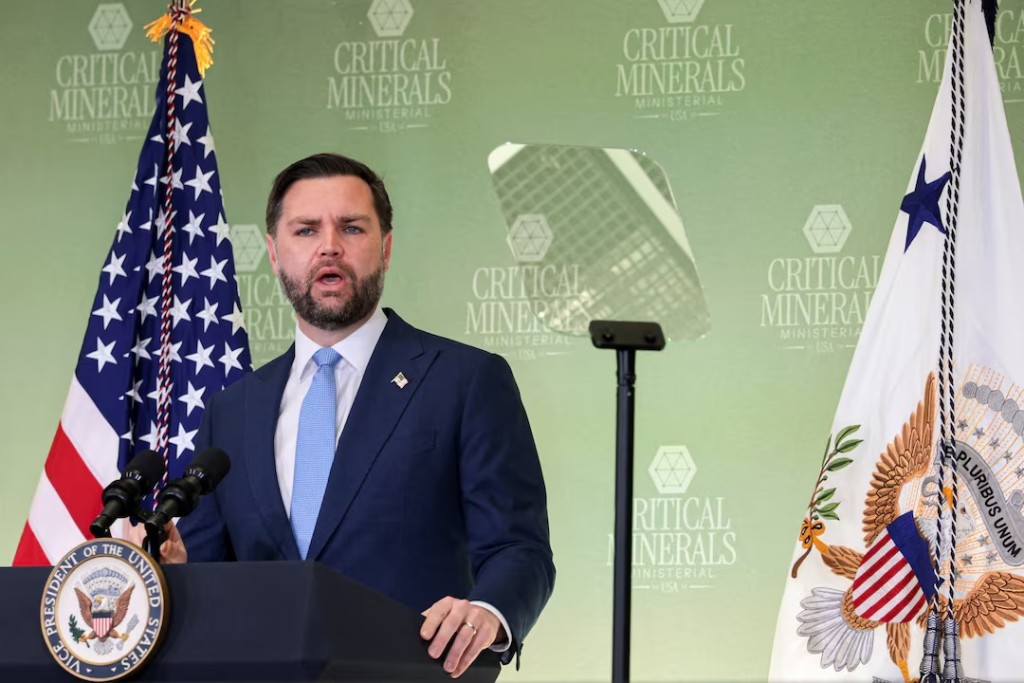
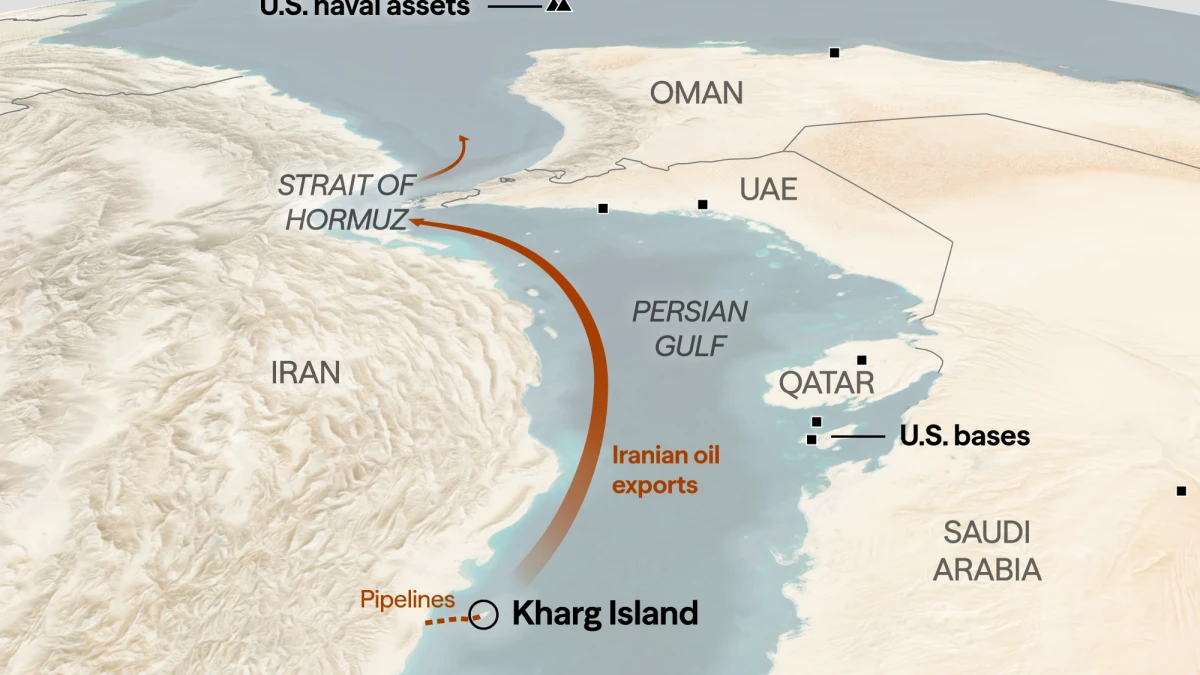
The halls of power in Washington are gripped by intense speculation. Following months of severe economic and kinetic friction that have pushed global energy corridors to the brink of a historic rupture, senior policymakers are currently auditing the final parameters of a temporary diplomatic settlement. Known across international diplomatic circles as a key component of emerging multilateral understandings, this comprehensive 60-day framework offers a critical pause to reorganize regional hostiles, re-route severed trade lines, and re-establish raw commodity security.
The core objective of the proposed framework is not a sudden, permanent solution to deep-seated geopolitical rivalries. Instead, it functions as a highly strategic, time-limited operational bridge designed to lift paralyzing maritime blockades and restore a baseline of predictability to global commerce.
The Mechanics of the 60-Day Framework
If the administrative review receives a final green light from the White House, the immediate adjustments to the regional trade map will be swift and substantial. The draft agreement is built upon a series of tightly synchronized reciprocal actions intended to defuse systemic market anxiety.
The fundamental operational terms under evaluation include:
-
Complete Reopening of the Strait of Hormuz: The vital transit chokepoint would immediately transition back to an open corridor, entirely free from arbitrary tolls, military boardings, or state-enforced regulatory delays.
-
Demining and Freedom of Navigation: Maritime tracking entities confirm that regional forces would be required to actively clear explosive mines laid throughout the waterway to guarantee safe passage for commercial container fleets and massive oil carriers.
-
Termination of Port Blockades: In direct exchange for an open waterway, the United States would dismantle its sweeping naval blockades across primary regional ports, allowing commercial trade to resume.
-
Performance-Linked Sanctions Relief: Washington would initiate highly controlled sanctions waivers and discuss unfreezing targeted foreign bank assets, though administration officials emphasize that actual relief will only be executed upon verifiable compliance.
Securing the Commodity Grid
For global market analysts and supply chain strategists, the true significance of this 60-day window lies in its potential to cool down a hyper-inflated "geopolitical fear premium". The prolonged disruption of the Gulf's maritime arteries has forced global shipping conglomerates to reroute bulk commodities along longer, vastly more expensive journeys around the African continent. This logistical bottleneck has driven up the final cost of everything from raw crude to base metals and agricultural inputs.
By stabilizing transit paths through an official truce, the framework provides an immediate safety valve for global industrial sectors. The pause gives multinational buyers a predictable window to lock in futures contracts, refill depleted national storage reserves, and secure raw commodity lines without the immediate threat of a catastrophic supply disruption triggering a broader economic recession.
Strategic Hesitation inside Washington
Despite the immense pressure from international allies eager to stabilize global distribution networks, the administration's internal review remains highly cautious. Skeptics within the foreign policy establishment argue that a short-term truce risks trading away critical economic leverage without securing structural concessions. There are deep concerns that a 60-day pause could simply allow regional actors to economically regroup, ease domestic financial pressures, and reinforce their defensive lines without genuinely abandoning long-term nuclear or asymmetric ambitions.
Consequently, the current debate in Washington centers heavily on the strictness of the enforcement mechanisms. Advisors are hashing out "snapback" clauses that would instantly reactivate total maritime blockades and freeze financial corridors the moment a single provision of the accord is breached.
Ultimately, this under-review framework reflects the raw, transactional pragmatism defining modern global affairs in 2026. It is an acknowledgment that when vital trade routes are choked, the economic fallout is distributed globally. Whether this 60-day window marks the true beginning of a durable regional architecture or simply serves as a temporary breather before the next escalation depends entirely on the ink currently being dried in Washington.
What's Your Reaction?
 Like
0
Like
0
 Dislike
0
Dislike
0
 Love
0
Love
0
 Funny
0
Funny
0
 Wow
0
Wow
0
 Sad
0
Sad
0
 Angry
0
Angry
0






Comments (0)